
Cold storage containers and construction cold storage: Which solution should you choose?
When needing to preserve food, agricultural products, seafood or temperature-sensitive goods, businesses often consider between cold storage containers and fixed construction cold storage. Both solutions can meet storage needs, but are suitable for different operating conditions.
Cold storage containers have the advantage of mobility and the ability to deploy at the location where they are needed. Meanwhile, built-in cold storage may be more suitable for facilities that need large storage space, stable operation and are specifically designed according to the production process.
So which type should you choose? The answer depends on the amount of goods to be stored, temperature requirements, space, power source, usage time and investment budget.
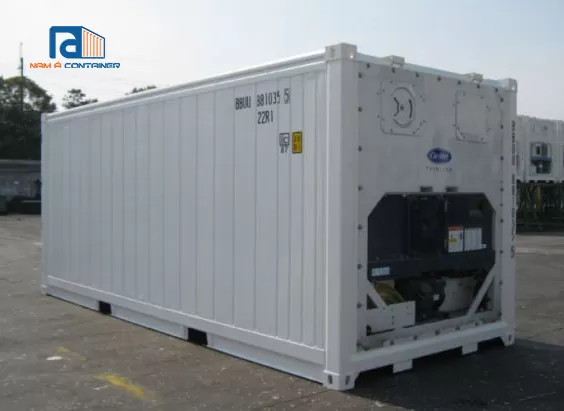
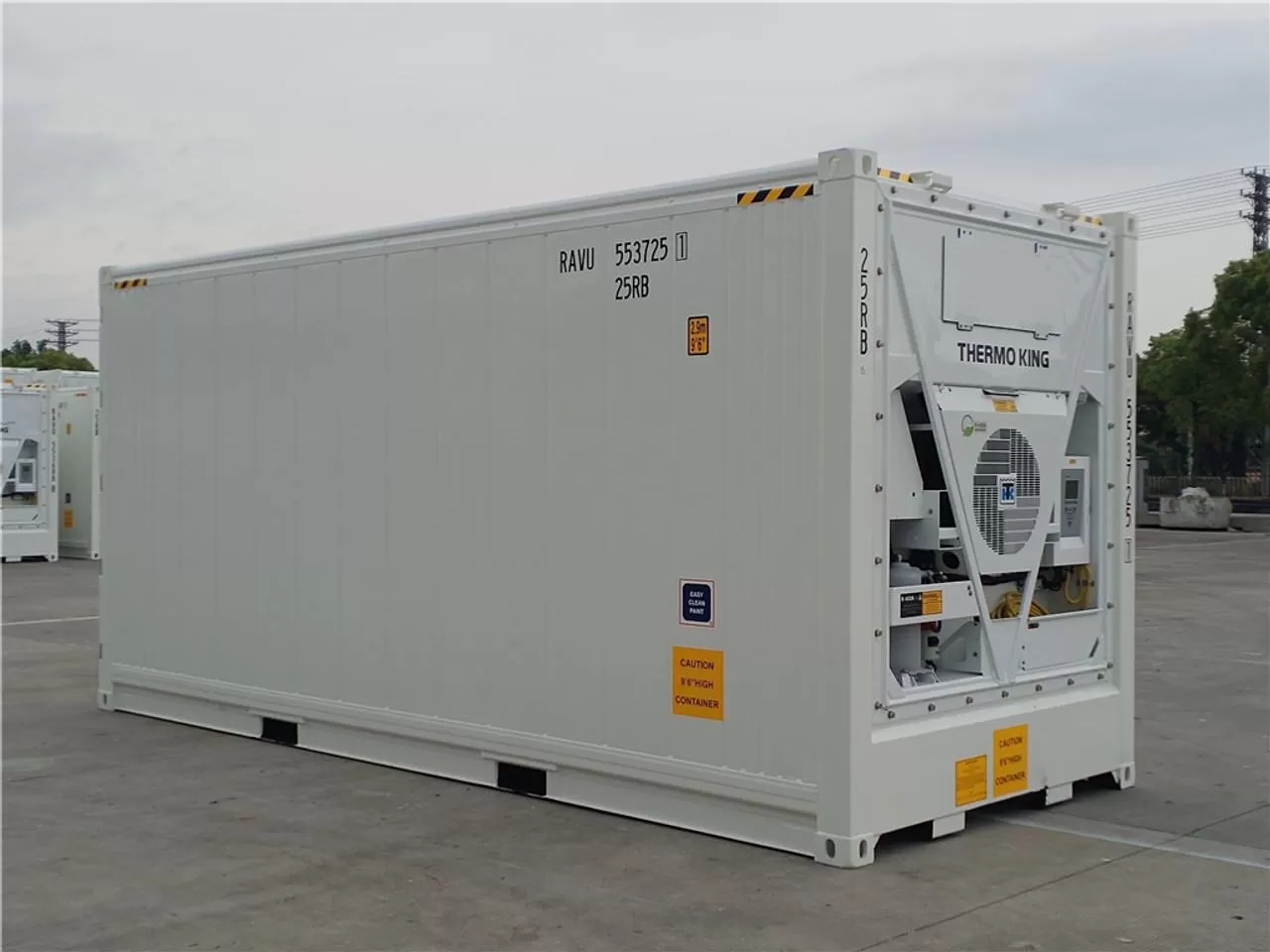
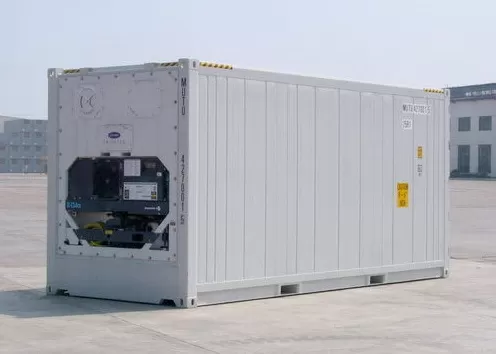
Cold storage containers, often called reefer containers or Reefer containers, are containers with insulation and a specialized refrigeration system. This device uses power to maintain the set internal temperature according to the operating characteristics of each model. Parameters and structure of refrigerated containers May vary by device type and operator.
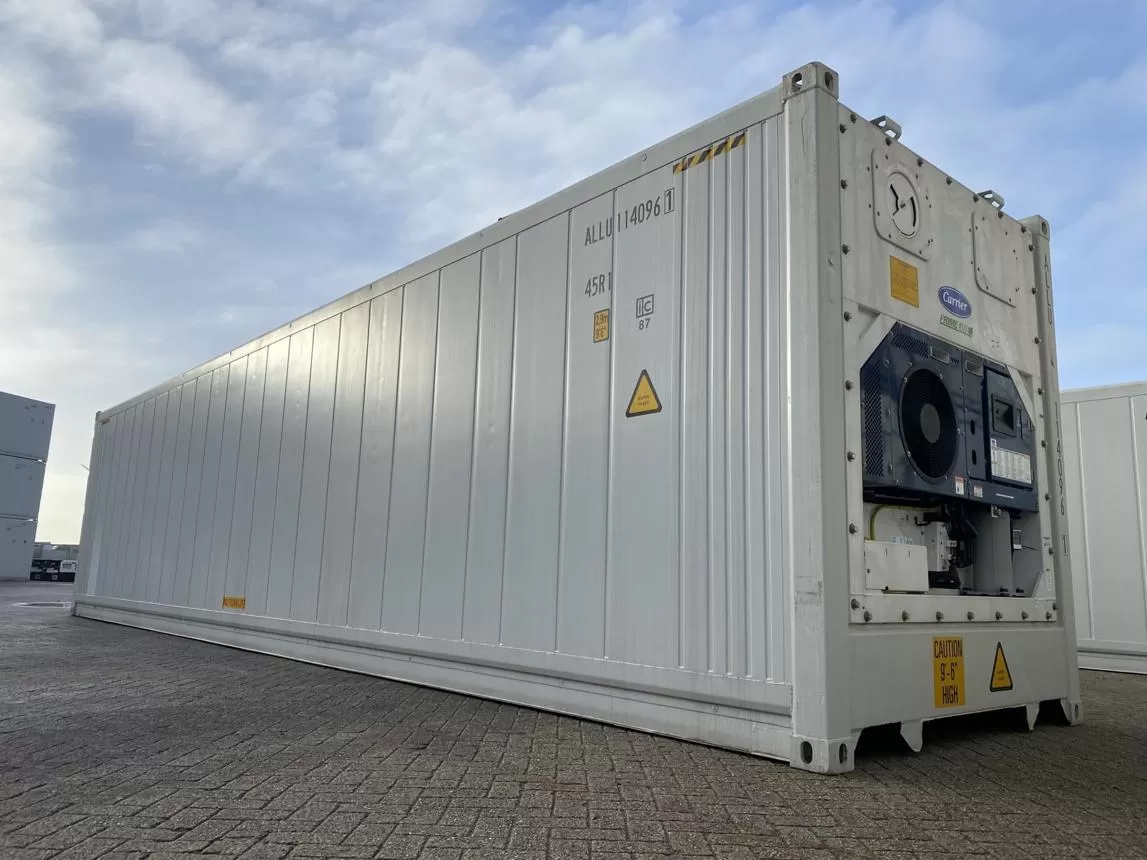
Refrigerated containers usually come in sizes such as 20 feet and 40 feet. The specific temperature adjustment ability depends on the air conditioner model, equipment condition, ambient temperature and commodity requirements. Ocean shipping companies also provide separate technical specifications for each line of reefer containers. Customers can learn more Container lines are being provided at Nam A Container before choosing the appropriate option.
1. What is a cold storage container?
Cold storage containers, often called reefer containers or Reefer containers, are containers with insulation and a specialized refrigeration system. This device uses power to maintain the set internal temperature according to the operating characteristics of each model.
Refrigerated containers usually come in sizes such as 20 feet and 40 feet. The specific temperature adjustment ability depends on the air conditioner model, equipment condition, ambient temperature and commodity requirements. Ocean shipping companies also provide separate technical specifications for each line of reefer containers.
What needs are cold storage containers suitable for?
-
Store goods at construction sites, factories or production areas.
-
Adding cold storage capacity when the current warehouse does not have enough capacity.
-
Store goods seasonally or during a project.
-
Temporary cold storage during facility repairs and expansion.
-
Storage arrangements at locations need to change according to business activities.
However, refrigerated containers need to have a suitable power source and correct operating conditions. Businesses also need to check the condition of the air conditioner, electrical system, door seals, insulation layer and ability to maintain temperature before putting it into use.
2. What is construction cold storage?
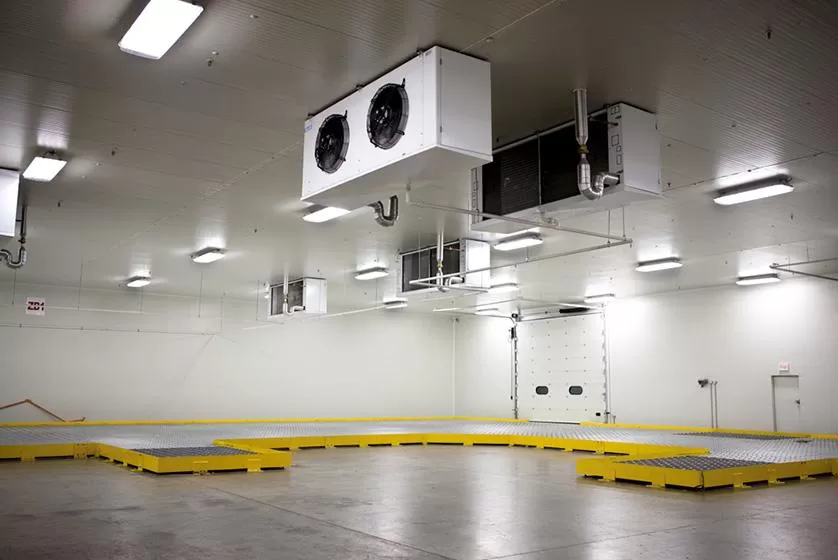
Construction cold storage is a storage space permanently installed in a factory or a specialized area. Projects often use insulation panels, cold storage doors, refrigeration systems, control equipment and auxiliary components according to design requirements.
Depending on the purpose of use, the warehouse can be designed into many different areas such as cool storage, frozen storage, preliminary processing areas or separate storage areas for each product group.
Which needs is suitable for cold storage construction?
-
The food processing factory has stable output.
-
Distribution businesses need large storage space.
-
Frozen goods distribution center.
-
Production facilities need to connect cold storage with the operating line.
-
The enterprise has a fixed premises and a long-term use plan.
The important point is that constructed cold storage is not automatically better than refrigerated containers in all cases. Efficiency depends on design, cooling capacity, cargo layout, door opening frequency and operating procedures.
3. Compare cold storage containers and construction cold storage
|
Criteria |
Cold storage containers |
Construction cold storage |
|---|---|---|
|
Texture |
Container type with integrated insulation and refrigeration equipment |
Fixed space, often using insulated panels and refrigeration systems |
|
Deployment |
Can be brought to the point of use if transportation conditions are suitable |
Need to prepare ground and construction |
|
Mobility |
Higher, can move when needed |
Lower, usually associated with the construction site |
|
Storage scale |
Depends on size and number of containers |
Can be designed according to required area and capacity |
|
Scalability |
Additional containers can be added if space and power supply are available |
Expansion is possible but often requires design and construction |
|
Customize your space |
More limited due to standard structure |
More flexibility on how to divide areas |
|
Investment costs |
Depends on container, equipment and shipping status |
Depends on design, materials, refrigeration system and construction |
|
Suitable |
Additional warehouses, temporary warehouses, flexible needs |
Fixed warehouse, large scale, specialized process |
Don't conclude which option is cheaper based solely on the initial purchase price. To compare accurately, businesses need to calculate the total cost of investment, electricity, maintenance, transportation, installation and expected usage time.
4. When should you choose cold storage containers?
Cold storage containers are often an option worth considering when businesses need to deploy quickly or do not want to invest in a fixed warehouse building.
4.1. Additional capacity is needed in the short term
For example, a seafood business has increased product volume during the peak season but does not want to build more permanent warehouses. Refrigerated containers can support increased capacity for as long as necessary, provided the equipment capacity and temperature are appropriate for the type of cargo. If the need only arises within a certain period of time, businesses can consider the form container rental to reduce the initial investment.
4.2. Usable premises are subject to change
If production, purchasing or storage operations vary from location to location, reefer containers have the advantage of transport and redeployment capabilities. However, the move needs to be planned, including transportation, hoisting, electrical connection and equipment inspection after installation.
4.3. Businesses need to test the model before making large investments
With a new business model, storage demand may not be stable. Using refrigerated containers can help businesses evaluate actual needs before deciding to invest in fixed warehouses.
4.4. Need independent cold storage in a specific area
Refrigerated containers can be arranged into separate storage areas at factories or businesses. However, it is necessary to consider access, working space, drainage, ventilation of the machine location and safe power supply.
5. When should you build a fixed cold storage?
Construction cold storage is often more suitable when storage needs are stable and businesses need to optimize space, work processes or long-term operating capabilities.
5.1. Needs large storage area
When the cargo output exceeds the capacity of a few containers, the construction cold storage can be designed to a practical scale. Businesses can arrange areas according to product type, temperature or operating stage.
5.2. Need to integrate warehouse with production line
Processing plants may need to connect raw material receiving, pre-processing, packaging and cold storage areas. Construction warehouses have advantages when it comes to designing the flow of goods and personnel according to specific processes.
5.3. Use at a stable location for a long time
If your business has suitable premises, regular storage needs and a long-term operating plan, investing in fixed cold storage may be a reasonable choice. However, it is necessary to evaluate the costs of construction, refrigeration systems, maintenance and future expansion.
6. What costs should be considered when choosing?
To compare two options, businesses should create a cost table for the same period of use.
With cold storage containers
Items to consider include:
-
Container purchase or rental price.
-
Shipping and handling costs.
-
Site preparation costs.
-
Suitable power source, wiring and protective equipment.
-
Operating electricity.
-
Check, maintain and repair air conditioners.
-
Moving or recovery costs at the end of need.
With built-in cold storage
Items to consider include:
-
Design and construction costs.
-
Insulation panels, doors and related structures.
-
Refrigeration and control system.
-
Electrical system and auxiliary items.
-
Operation and maintenance costs.
-
Expansion costs or adjustments as needs change.
Note: Power consumption cannot be determined from warehouse size alone. Equipment capacity, set temperature, ambient temperature, insulation level, door opening frequency and heat input from goods all affect actual electricity.
With refrigerated containers, it is also important to note that the equipment is mainly designed to maintain suitable temperature conditions for goods that have been cooled or processed according to the corresponding process. It should not be assumed that the equipment will quickly cool all types of goods from a high initial temperature. With long-term use needs, customers can refer to additional options buy containers and discuss actual product status.
7. Factors to check before using cold storage containers
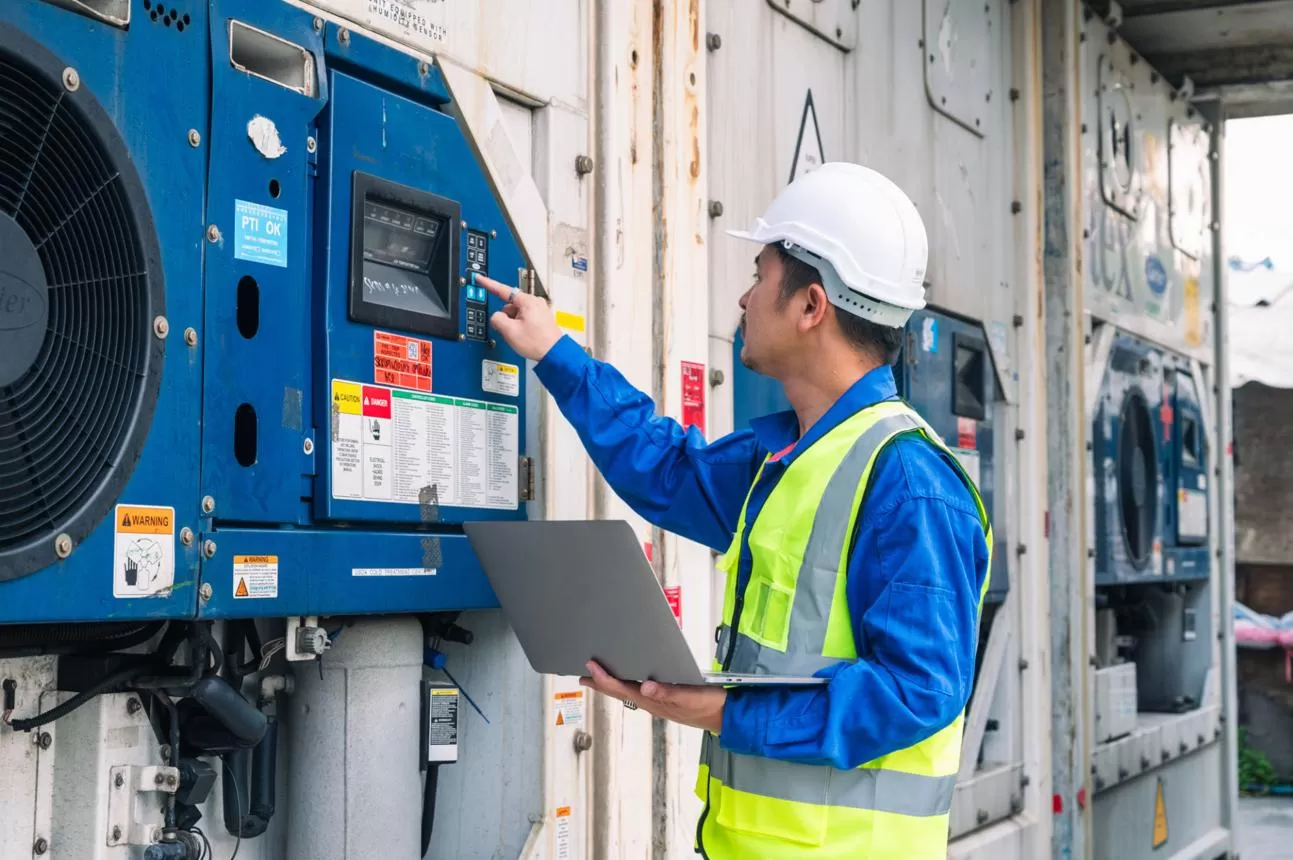
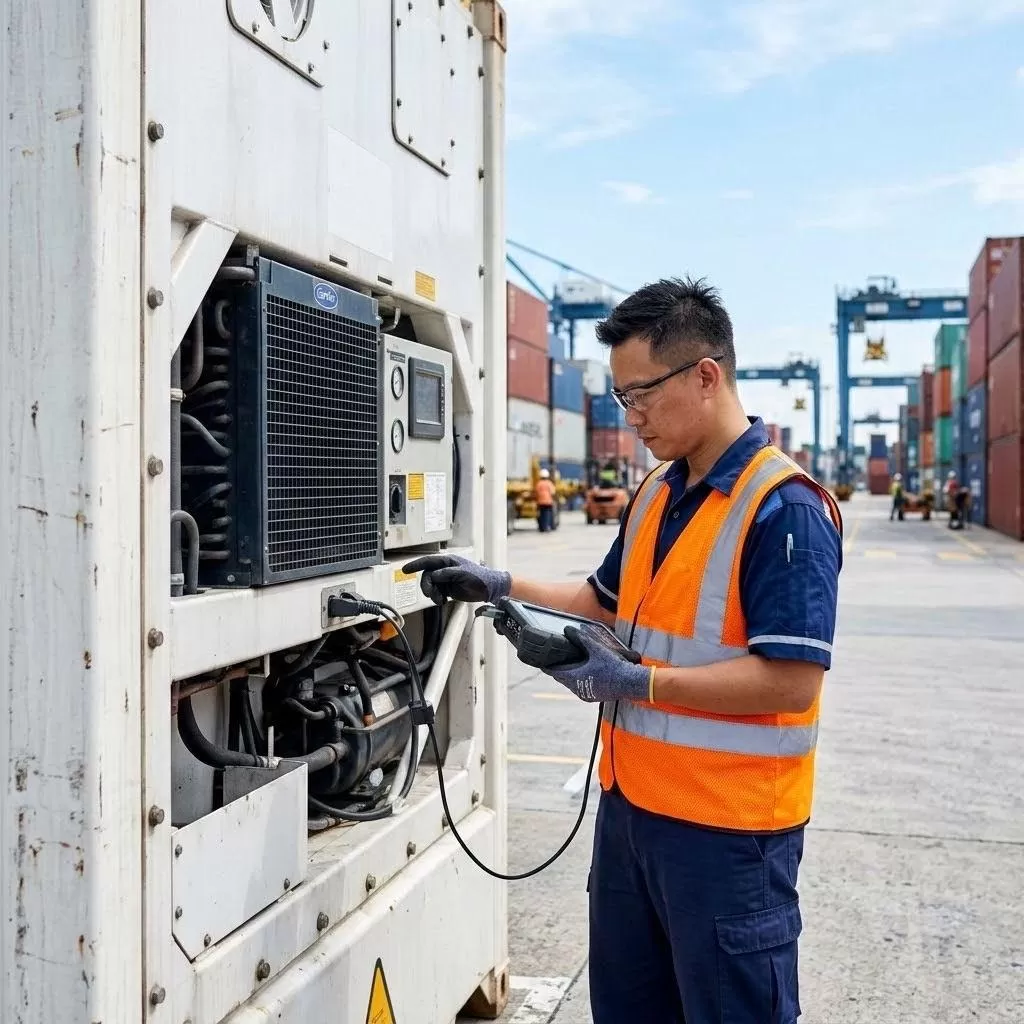
Before buying or renting a refrigerated container, businesses should check the following items:
-
Air conditioner: Start up, test operate and check the ability to maintain the required temperature.
-
Controller: Check displays, sensors, alarms and settings.
-
Insulation layer: Observe walls, floors, doors and locations for signs of damage.
-
Door gasket: Check the ability to close, elasticity and tear condition.
-
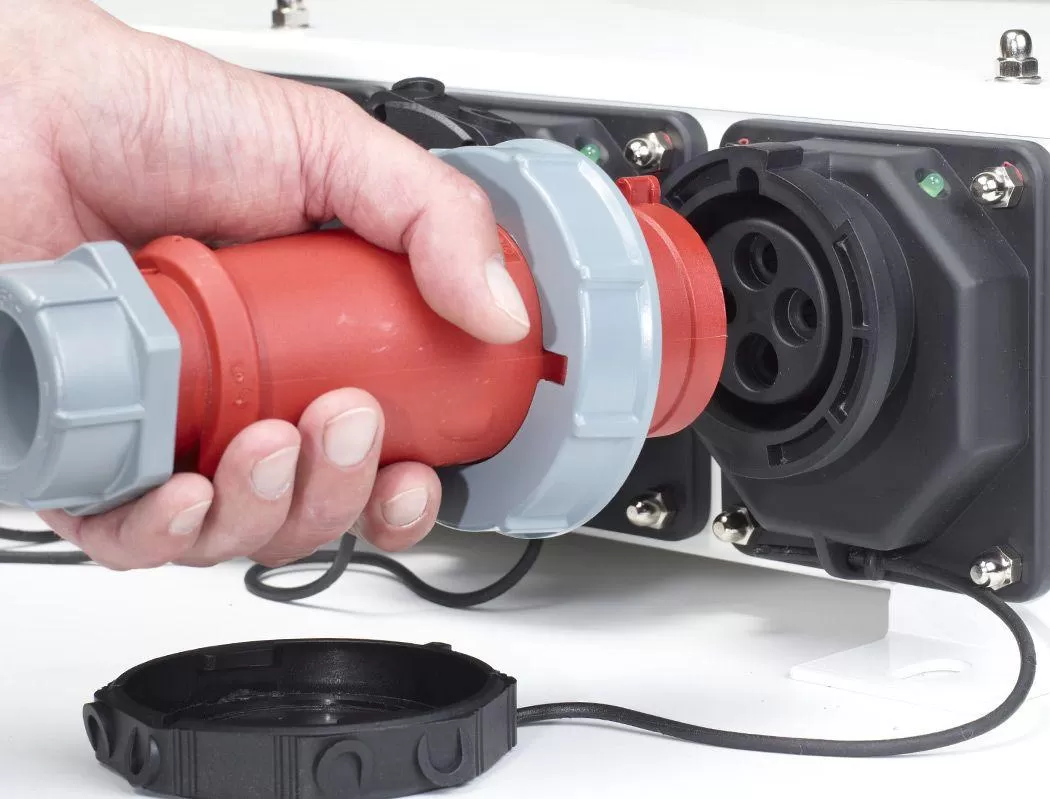
Electrical system: Correctly determine the power supply requirements of the equipment and prepare a safe power supply system.
-
Maintenance status: Request information about repair history and equipment errors encountered, if any.
-
Container placement conditions: Ensure suitable ground, drainage, ventilation and access.
-
Storage needs: Determine temperature, humidity, ventilation and specific requirements of the product type.
-
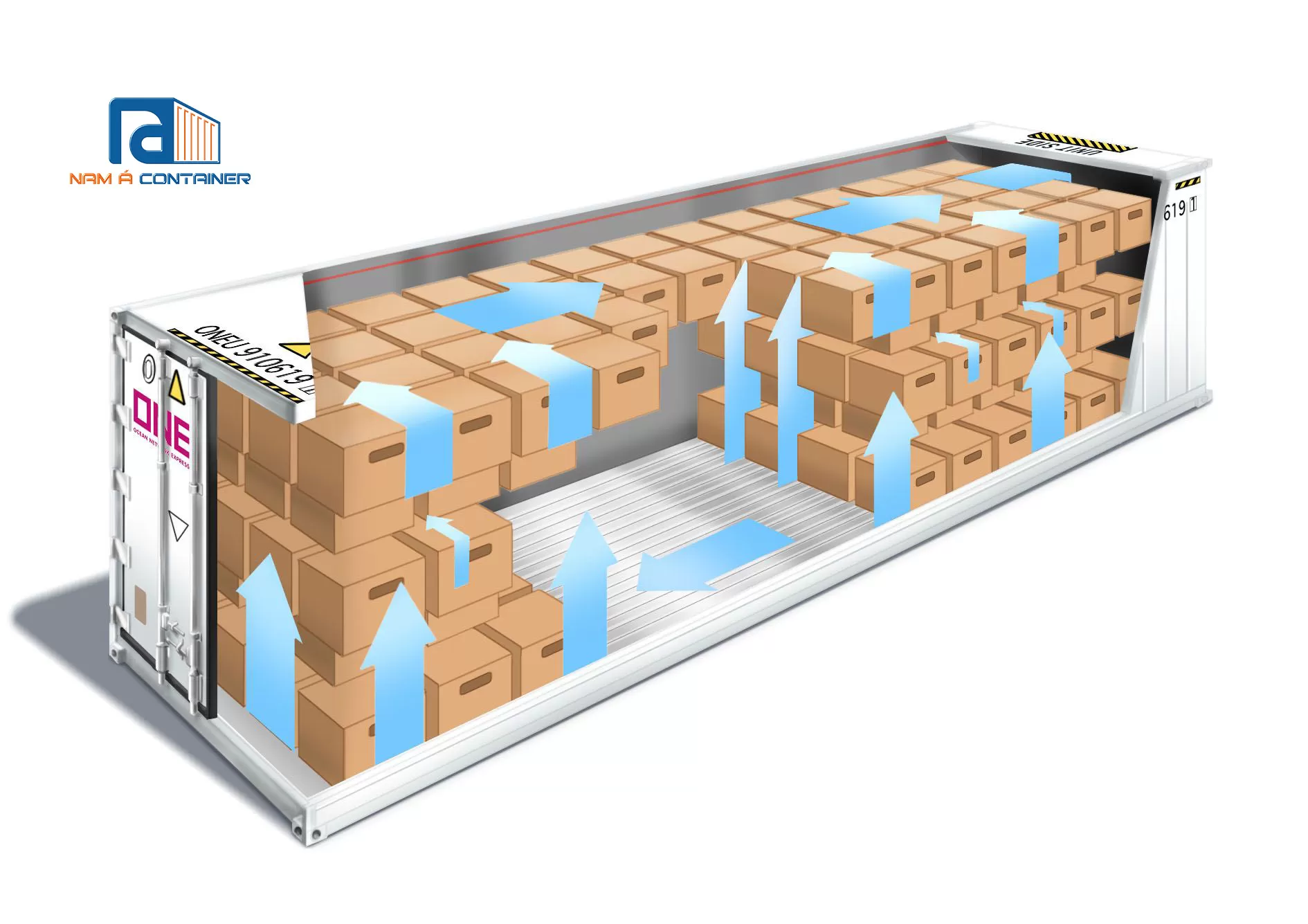
Actual operation: Take into account opening times, amount of goods brought in and arrangements to not obstruct cold air flow.
If used to preserve food or sensitive goods, businesses should determine preservation requirements according to the characteristics of each product and check actual conditions before putting the goods into the warehouse.
8. Quick selection table according to needs
|
Demand |
Solution should be considered |
|---|---|
|
Additional cold storage during peak season |
Cold storage containers |
|
Need temporary warehouse at factory or construction site |
Cold storage containers |
|
Need to move storage location |
Cold storage containers |
|
Fixed warehouse with separate production process |
Construction cold storage |
|
Need many areas with different temperatures |
Construction cold storage or specially designed system |
|
Not sure about long-term storage needs |
Evaluate refrigerated container rental options |
|
Demand for large, long-term stable storage |
Compare investment in construction warehouses with multi-container options |
This is an initial orientation, not a conclusion that applies to all cases. The final decision should be based on the type of product, required temperature, output, storage time and ground conditions.
9. Frequently asked questions about cold storage containers and construction cold storage
Can cold storage containers replace construction cold storage?
In some needs, refrigerated containers can take on the role of independent storage or add additional capacity. However, for operations that require a large area, many functional areas or complex production processes, a built-in cold storage may be more suitable.
Does a refrigerated container need to be constantly plugged in?
During the process of maintaining storage temperature, the device needs a suitable and stable power source. If the power supply is interrupted, the internal temperature may change. Businesses should have a plan for troubleshooting and temperature monitoring appropriate to the sensitivity of the goods.
Should I buy or rent a refrigerated container?
If demand is short-term, seasonal or unstable, renting can help reduce the initial investment. If used regularly over a long period of time, businesses should compare the total rental cost with the expected purchase, maintenance and depreciation costs.
Is 20 feet or 40 feet refrigerated container more suitable?
A 20-foot container can be suitable for moderate volumes or limited space. 40-foot containers offer larger space but require suitable premises and shipping conditions. In addition to size, it is necessary to consider the type of goods, the way of loading, the ability to circulate cold air and the allowable load.
Can old refrigerated containers be used to preserve food?
Can be considered if containers and equipment meet actual usage requirements. It is necessary to check the condition of the air conditioner, insulation layer, internal surface, hygiene, residual odor and safety requirements of the food type. Don't choose just based on the device's appearance or ability to boot.
10. Consulting on choosing suitable reefer containers at Nam A Container
Nam A Container provides refrigerated container lines according to source of goods and product status at each time. When choosing a refrigerated container, customers should determine in advance the type of goods to be stored, the required temperature, volume of goods, time of use and location of the container.
This information helps choose size, evaluate equipment condition and estimate shipping and installation costs more realistically.
If your business is not sure whether to buy, rent a refrigerated container or invest in a cold storage building, start by determining your storage needs and expected usage time, then compare the total costs of the options.
Comment