
1. What is an Open Top Container?
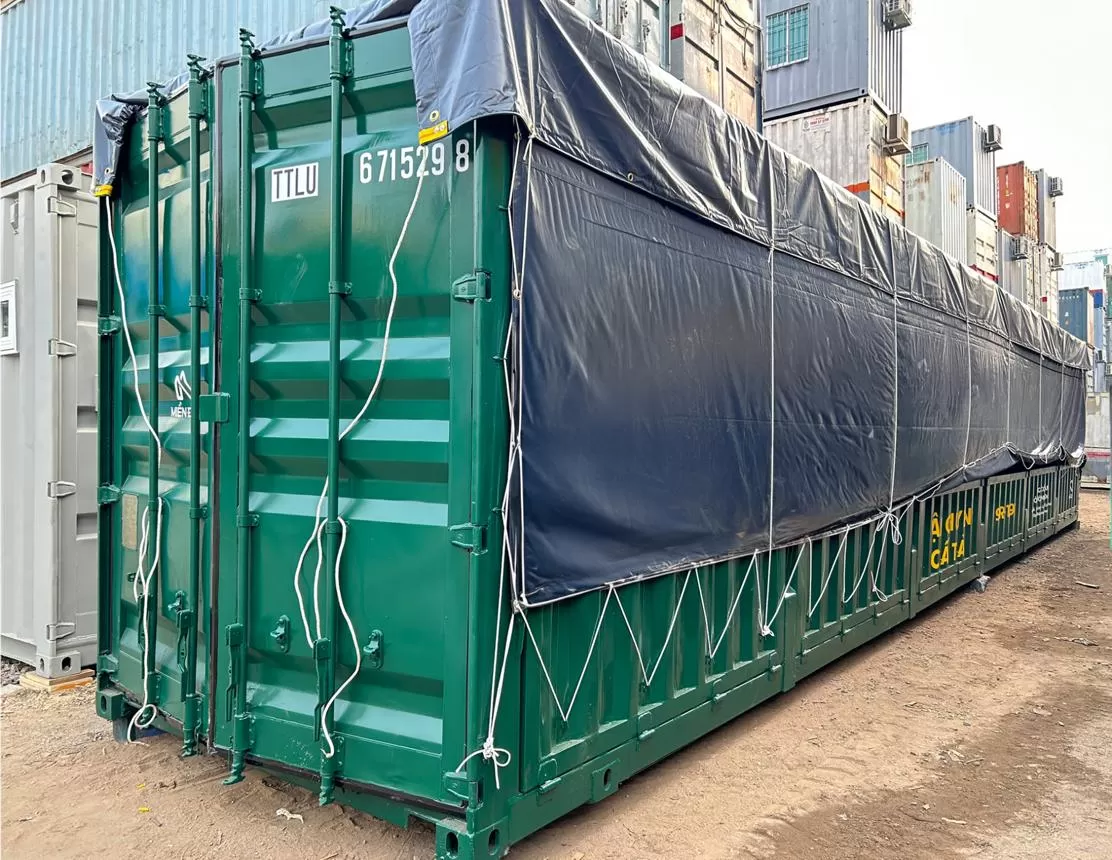
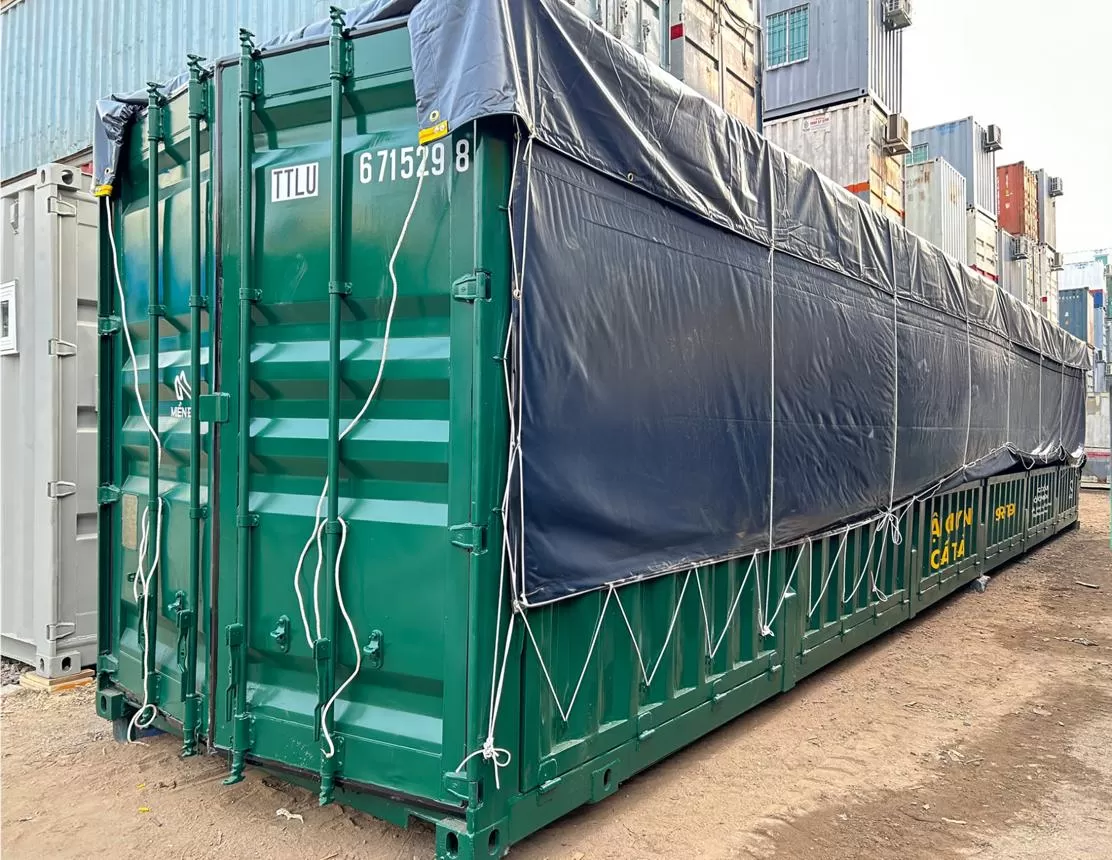
Open Top Containers are specialized containers with an open roof design, instead of using a fixed steel roof like regular dry containers. The roof is often covered with a specialized tarpaulin or uses a removable roof structure depending on the design of each type of container.
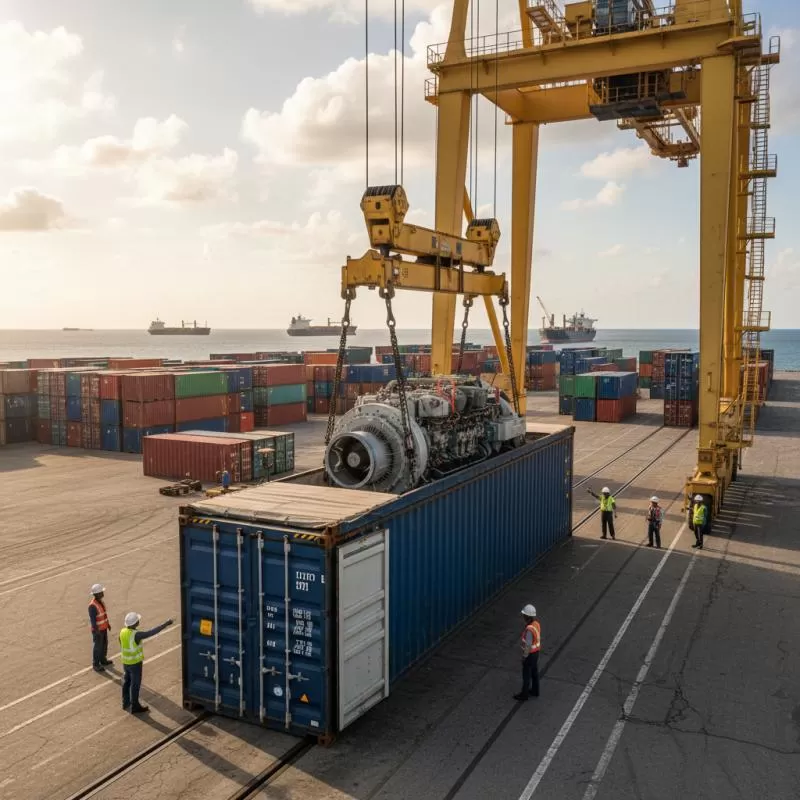
Thanks to this structure, Open Top containers allow goods to be brought inside from above using cranes or appropriate lifting equipment. This is a useful solution for goods that are difficult to get through regular container doors, goods that are high in height, or goods that need to be handled vertically.
Open Top containers are often used in the fields of shipping, logistics, industry and construction, especially when transporting machinery, industrial equipment, construction materials or special shaped goods.
However, not all bulky goods are suitable for Open Top containers. Users need to consider size, weight, loading and unloading method, lashing ability and cargo protection requirements before choosing.
2. Structural characteristics of Open Top containers
Open Top containers have the same basic structure as dry containers, but the roof is designed to facilitate loading and unloading from above.
2.1. The roof can be opened
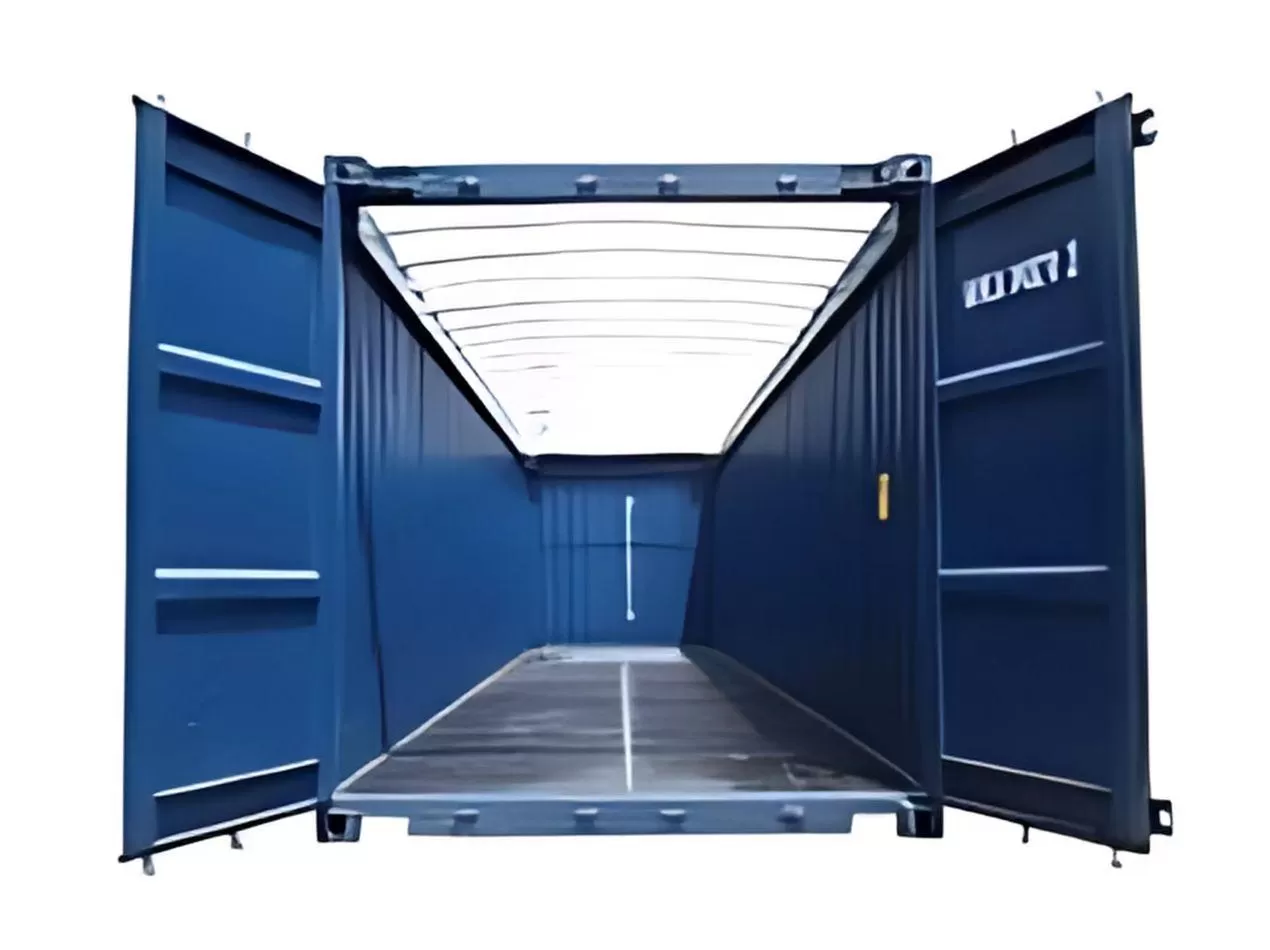
This is the most important identifying feature of Open Top containers. Depending on the design, the roof can use a canvas cover or a removable roof structure. This design helps cranes and lifting equipment access goods from above, limiting difficulties when bringing goods through the container door.
2.2. Steel frame and container walls
Open Top Containers have a load-bearing frame system, side walls and door at the end of the container. These parts contribute to protecting goods, maintaining container shape and supporting the transportation process. When inspecting used containers, pay attention to the condition of corner frames, roof bars, steel walls, door hinges and locations showing signs of distortion, cracks or corrosion.
2.3. Container floor
The container floor is the part that bears the load directly from the goods. The floor condition needs to be checked carefully, especially when using containers to carry heavy machinery, equipment or goods with concentrated loads at certain points. You should not only rely on the overall load-bearing capacity of the container but ignore the load distributed on the floor and the requirements for securing goods.
2.4. Door system and tie-down points
The container's end door supports loading and unloading goods horizontally. Several positions and structures on the container can support securing goods, depending on the specific design. When transporting heavy goods or goods with special shapes, it is necessary to develop a suitable lashing plan to limit movement during transport.
3. What types of Open Top containers are there?
Open Top Containers can be classified by size, roof design and intended use.
3.1. Open Top Container 20 feet
Open Top Container 20 feet has an overall size equivalent to a 20-foot container group, but is designed with an open roof. This type can be suitable for machinery, industrial equipment, materials or goods whose size and volume match the container's capacity.
The advantage of the 20-foot type is that it is relatively compact in size and convenient in some transportation and arrangement options. However, actual usability depends on internal dimensions, cargo height, allowable load and loading and unloading conditions.
3.2. Open Top Container 40 feet
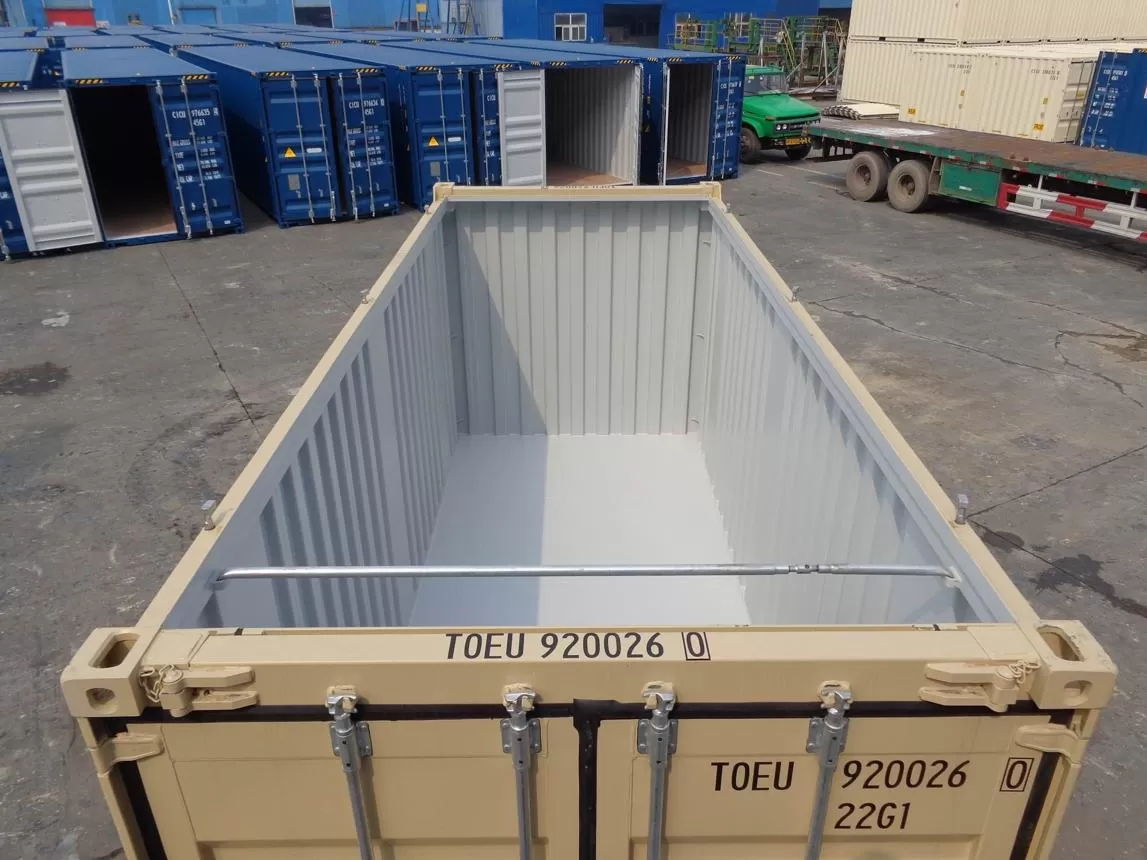
Open Top Container 40 feet has a longer length, suitable for consideration when needing to arrange a lot of goods or transport long packages. This type of container can be used for industrial equipment, structures or goods that require loading and unloading from above.
Before choosing, it is necessary to clearly determine the size of the goods, total volume, lifting capacity and transportation conditions. It should not be assumed that a 40-foot container is always more suitable than a 20-foot container, because the optimal solution depends on the characteristics of the shipment.
3.3. Open Top containers use tarpaulin and have removable roofs
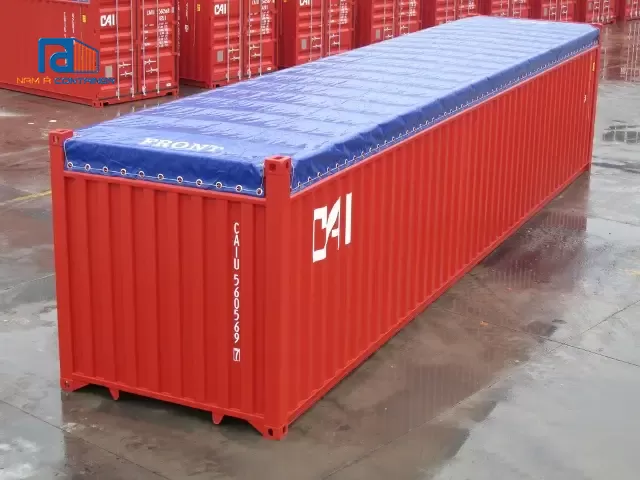
Depending on the design, Open Top containers can use tarpaulin to protect goods or have a removable roof structure. In the container symbology, this type is often identified by the symbol OT. You can learn more about Symbols of popular container types today to distinguish Open Top from other types of specialized containers. Tarpaulins help limit the direct impact of the environment under appropriate usage conditions, but it should not be assumed that every Open Top container has the same water resistance as a closed top container. For goods sensitive to moisture, dust or rainwater, it is necessary to carefully evaluate the covering plan, packaging and actual transportation conditions.
4. What are Open Top Containers used for?
4.1. Transporting industrial machinery and equipment
Machinery with large heights or shapes that are difficult to manipulate through conventional container doors may be suitable for loading and unloading from above. Using a crane helps put equipment in the right position, but it is necessary to determine in advance the center of gravity, lifting point and method of securing goods to limit the risk of damage.
4.2. Transporting construction materials
Some types of materials, components and construction equipment can be transported by Open Top containers when the size, volume and loading method are appropriate. Before use, it is necessary to check the allowable load, distribution of goods on the floor and ability to protect goods under transport conditions.
4.3. Transportation of special sized goods
For tall or shaped packages that are difficult to get through the container door, the open roof creates more flexible loading and unloading options. However, if the goods exceed the allowable size of the container or protrude from the roof, the carrier needs to separately evaluate the packing, lashing, covering and related transportation requirements.
4.4. Serving specialized storage and usage needs
In some cases, Open Top containers can be considered for goods storage needs or for specific jobs. However, due to the open roof design, this type of container is not the default choice for goods that need long-term protection from rain, dust and humidity. If the main goal is to create regular storage, dry containers may be a more suitable option.
5. Advantages and limitations of Open Top containers
5.1. Advantages
- Convenient when loading and unloading from above: The open roof supports the use of cranes and appropriate lifting equipment.
- Suitable for some types of bulky goods: Especially goods that are difficult to get through regular container doors.
- Flexibility in transportation plans: Can meet loading and unloading requirements that are not convenient for closed-top containers.
- There are many size options: Depending on the type of goods and transportation plan, users can consider different container sizes.
5.2. Limitations
- The ability to protect goods depends on the cover design: Tarpaulins or removable roof structures need to be carefully inspected, especially when transporting goods sensitive to water and humidity.
- Specialized equipment requirements may arise: The process of loading and unloading from above often requires appropriate lifting plans.
- Not all types of goods need to be used: If the cargo can be conveniently loaded and unloaded through the container door and there are no special requirements, a dry container may be more economical.
- Need to check carefully when buying used containers: The condition of frames, floors, roofs, covers, doors and structural features can affect serviceability. If the goods do not require loading and unloading from above, businesses can consider Ordinary dry container to meet storage and transportation needs.
6. Compare Open Top containers and regular dry containers
| Criteria | Container Open Top | Dry containers |
|---|---|---|
| Roof design | Can be opened, disassembled or used depending on type | Fixed steel roof |
| Unloading method | Can be loaded and unloaded from above or through the door | Mainly through the last door |
| Suitable goods | Machinery, bulky goods or goods that need to be handled from above | Packaged goods, dry goods and general storage goods |
| Ability to protect goods | Depends on roof structure and covering plan | Often more convenient when confined spaces are needed |
| Usage needs | Cases with special handling requirements | Storage and transportation of common goods |
Choosing between two types of containers should be based on loading and unloading methods, cargo size, storage conditions and total cost of use instead of just comparing the initial rental or purchase price.
7. Things to keep in mind when choosing Open Top containers
Before buying or renting Open Top containers, businesses should check the following factors:
7.1. Determine size and volume of goods
It is necessary to determine the length, width, height and total volume of the goods. At the same time, the actual internal size of the container, load distribution capacity and allowable limits of the transportation plan must be considered.
7.2. Select loading and unloading method
If using a crane, it is necessary to determine the lifting equipment, container location, working space and plan to safely put goods into the container.
7.3. Check structural condition
For used containers, it is recommended to check:
-
Corner frames and load-bearing positions.
-
Steel walls, floors and container doors.
-
Roof, cover or removable structure.
-
Hinges, door locks and other locations show signs of deformation.
-
Signs of corrosion, punctures, cracks or previous repairs.
If the container is used for heavy goods or has special transportation requirements, you should carefully check the capacity of the container and related documents before putting it into use.
7.4. Evaluate cargo protection requirements
If the goods are susceptible to water, dust or humidity, packaging, covering and shipping conditions should be considered. You should not choose an Open Top container just because of convenient loading and unloading, but ignore preservation requirements.
7.5. Calculate total cost
In addition to the price of buying or renting a container, it is necessary to take into account the costs of transportation, lifting, lashing, covering, maintenance and other costs arising according to conditions of use. Comparing total costs will help businesses choose a solution that better suits their actual needs.

8. Should I buy or rent an Open Top container?
Buying or renting an Open Top container depends on the time of use, frequency of exploitation and cargo transportation plan. For short-term or unstable usage needs, businesses can refer Container rental service at Nam A Container to consider appropriate options.
You should consider renting when:
-
Containers are only needed for a project or short period.
-
Demand is not stable.
-
Want to limit initial investment.
-
Need to be flexible when changing transportation or storage options.
You should consider buying when:
-
There is a need for regular or long-term use.
-
The type of container suitable for the goods has been determined.
-
Able to arrange premises, transport and maintain.
-
Want to be more proactive about usage time.
Depending on the status of goods, supply capacity and actual demand, businesses should compare options before deciding.
9. Nam A Container – Consulting on choosing the right container for your needs
When there is a need to buy, rent or use containers for production, storage and transportation activities, choosing the right type of container from the beginning helps limit unnecessary costs and reduce risks during the exploitation process. Customers who want to invest in containers for long-term use can learn more about container trading service of Nam A Container to refer to product options and discuss actual needs.
Nam A Container provides solutions for buying, selling, renting used containers and supports renovating some container models according to needs at the yard. Customers should discuss in advance the size of the goods, intended use, delivery location and loading and unloading requirements to be advised on a suitable plan.
For the need to use Open Top containers, it is necessary to clearly confirm the type of container, the actual condition and the product's ability to meet the requirements before ordering or renting. If the goods do not require loading and unloading from above, customers can also consider dry containers to optimize usage options.
Contact Nam A Container to discuss your needs and choose a container solution suitable for your intended use.
10. Frequently asked questions about Open Top containers
What is an Open Top Container?
Open Top Container is a type of container with a roof that can be opened, removed or covered with tarpaulin depending on the design, making it convenient to bring goods in from above.
What goods are Open Top containers often used to transport?
This type of container is often considered for machinery, industrial equipment, components and goods whose size or shape makes loading and unloading through conventional doors difficult.
Are Open Top Containers waterproof?
Water protection depends on roof design, cover condition, structure and usage conditions. For goods that are sensitive to water or humidity, coverage and storage options should be evaluated before shipping.
Should I choose a 20 foot or 40 foot Open Top container?
Need to be based on size, volume of goods, loading and unloading capacity, allowable load and transportation plan. Larger size does not always mean better fit.
Should Open Top containers be used as regular warehouses?
It can be considered in specific cases, but if an enclosed space is needed to protect goods from dust and rainwater, dry containers are often the priority option to evaluate first.
Conclusion
Open Top Container is a specialized solution for the needs of loading and unloading goods from above. To use it effectively, businesses need to determine the correct size, volume of goods, lifting methods, goods protection requirements and container condition. Comparison with conventional dry containers also helps choose a more suitable option in terms of function and cost.
Comment