
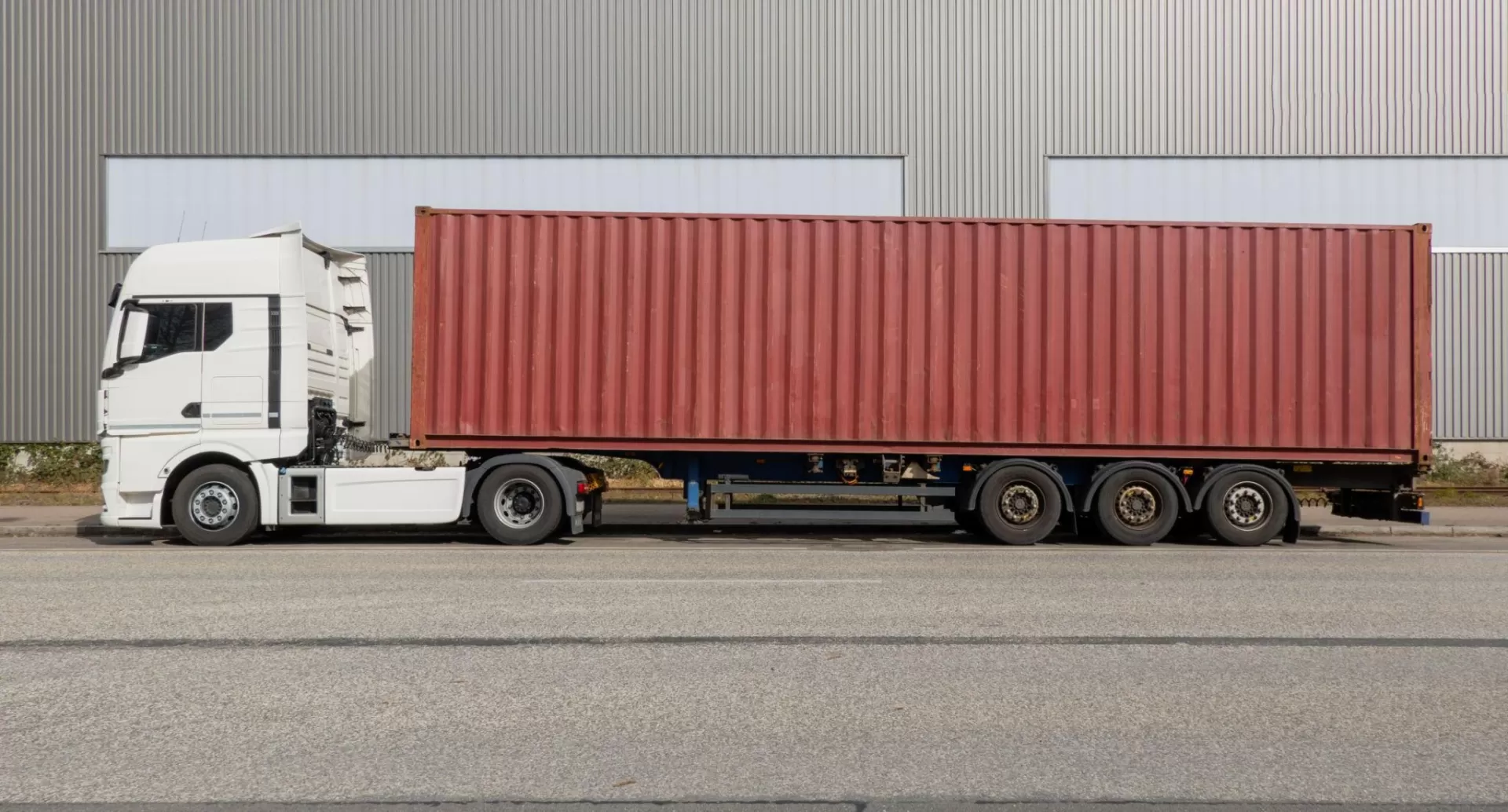
1. What is the height of the container truck?
There is no single height that applies to all container trucks. It is necessary to distinguish at least three parameters:
-
Container shell height: Distance from the bottom to the highest point of the container.
-
Container floor height: Distance from the road surface to the semi-trailer floor.
-
Overall height of the vehicle: Distance from the road surface to the highest point of the vehicle and container combination when assembled.
Overall height varies according to container type, transport vehicle and actual technical conditions. Therefore, when needing to determine whether a vehicle can pass through a specific warehouse gate or route, businesses need to use the parameters of the actual vehicle combination, not just rely on the standard size of the container shell.
2. Container height 20 feet, 40 feet and 40HC
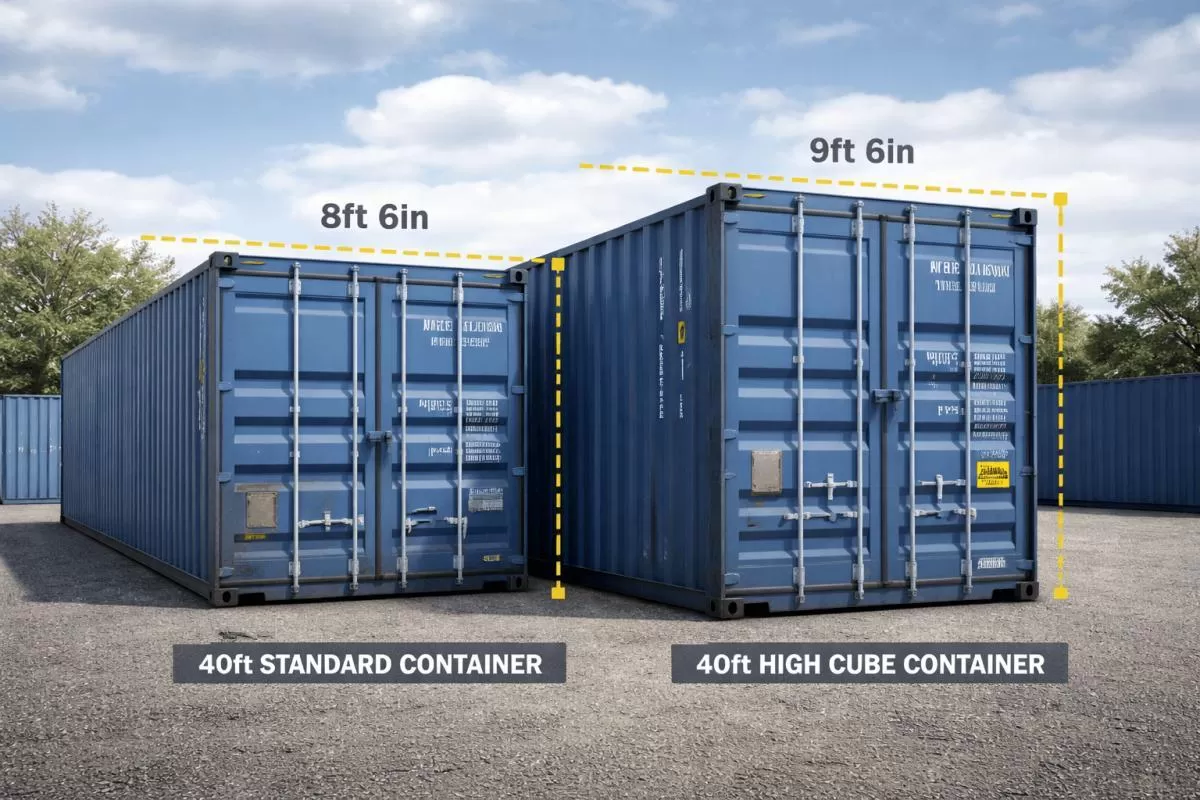
Dry cargo containers usually come in 20 feet, 40 feet and 40 feet High Cube (40HC). In particular, the High Cube type has a higher height than the standard container.
|
Container type |
Height outside reference |
Characteristics |
|---|---|---|
|
Standard 20 foot container |
About 2.59 m |
Suitable for many transportation and storage needs |
|
Standard 40 feet container |
About 2.59 m |
Longer length than 20 feet type |
|
Container 40HC |
About 2.90 m |
Increase cargo space according to height |
Note: This is a common outer dimension of a standard dry container. Specifications may vary by specific manufacturer and model; Need to check the actual container data before making a transportation plan.
2.1. Container height 20 feet
A standard 20-foot container has a common outside height of about 2.59 m. This type is often used to transport goods, store materials and equipment or as warehouses at factories and construction sites. If you are considering a compact size for storage, you can refer to more information about 10 feet container and the actual scope of use.
When placing a container on a semi-trailer, the overall height of the vehicle will be higher than the individual height of the container shell. Therefore, it is impossible to take the figure 2.59 m as the vehicle height when calculating the route.
2.2. Container height 40 feet
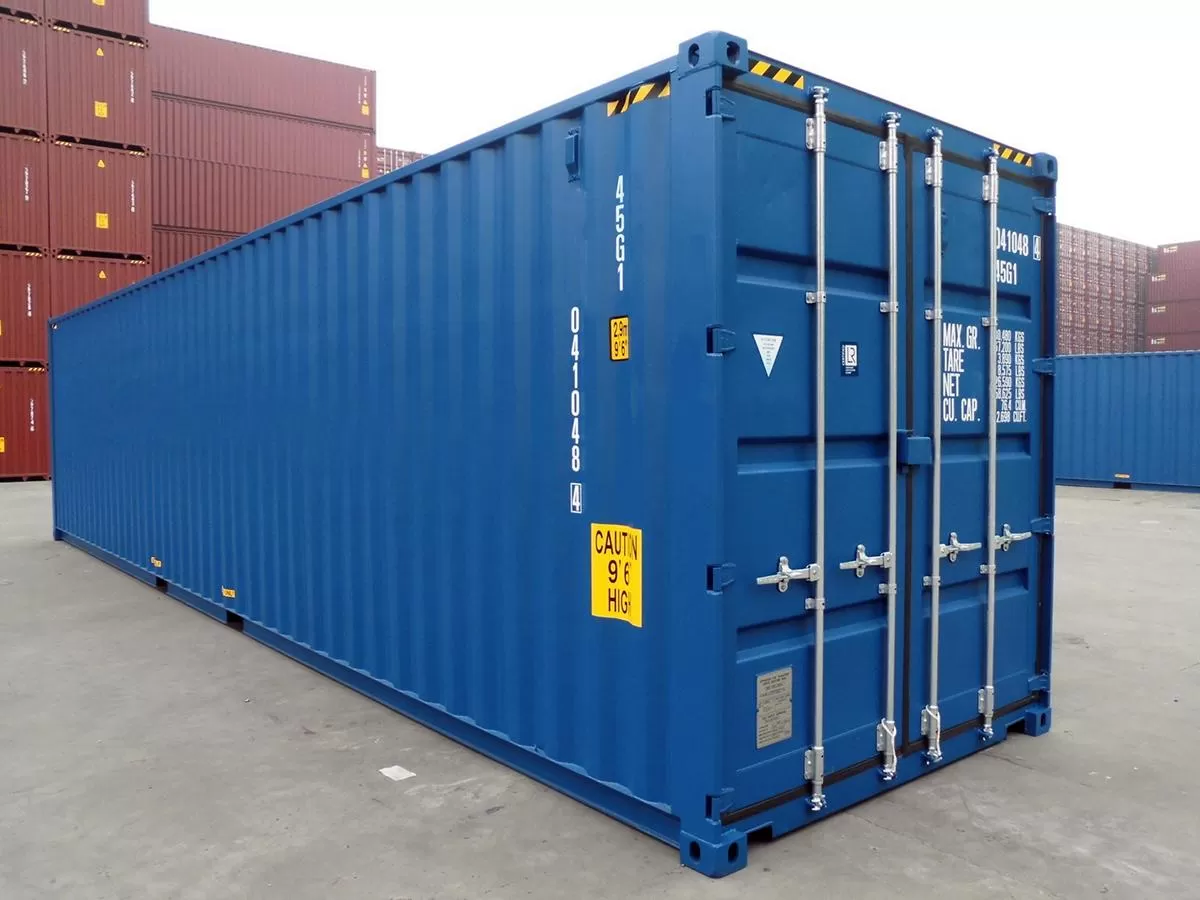
A standard 40-foot container also typically has an outside height of about 8 feet. The main difference from the 20-foot is length, not height.
When transporting 40-foot containers, businesses need to additionally check the vehicle combination length, load, turning ability and access conditions to the delivery location.
2.3. Container height 40HC
Container 40HC (High Cube) has a common outside height of about 2.90 m, about 30 cm higher than a standard container.
This type of container is suitable for goods that need a lot of vertical space or goods with a large volume. However, increased height also makes it more important to check clearance limits on shipping routes.
If the goods do not need additional height space, businesses should consider between standard containers and 40HC based on actual usage needs.
3. On what factors does the overall height of a container tractor depend?
The height of a container truck not only depends on the size of the container but is also affected by the vehicle configuration.
3.1. Type of container being transported
Standard containers and High Cube containers have different heights. When using HC containers, the overall height of the vehicle usually increases if other factors remain unchanged. For routes with strict height limits, businesses need to inform the exact type of container to the transport unit before dispatching the vehicle.
3.2. Semi-trailer floor height
The semi-trailer is the part that directly supports the container. Floor height depends on chassis design, suspension, tires and vehicle type. Two vehicles carrying the same 40-foot container may have different overall heights due to the use of different semi-trailers.
3.3. Suspension and tires
Tire condition, suspension and technical configuration may affect the actual height of the vehicle. When it comes to calculating accurate clearances, businesses should check the actual dimensions of the vehicle instead of using a general estimate.
3.4. Terrain and route conditions
Slopes, uneven road surfaces, warehouse entrances or areas with obstructions above can all affect the ability to move safely. For delivery points with low gates, narrow internal roads or power lines near the road surface, a survey is required before shipping the container.
4. Height limit when container trucks travel on roads
For transportation activities in Vietnam, businesses need to distinguish the height of the container itself from the height limit of goods or vehicles participating in traffic. According to information published by the Government on regulations in Circular 12/2025/TT-BXD, the cargo loading height for container trucks is regulated to be no more than 4.35 m, calculated from the highest point of the road surface upwards.
This level needs to be understood correctly within the scope of regulations on loading height of goods on container trucks; should not be used as a substitute for checking all technical dimensions or all traffic conditions of a particular vehicle combination.
Before shipping, businesses should:
-
Confirm the overall height of the combined vehicle and container.
-
Check height restrictions on the proposed route.
-
Check height restriction signs at bridges, tunnels, gates and structures.
-
Discuss with the transport unit if the container is of type HC or has a special configuration.
-
Confirm traffic conditions applicable to actual vehicle and cargo.
If the journey has limited road sections, do not rely solely on the standard size of the container to decide whether the vehicle can pass through.
5. How does container truck height affect transportation?
5.1. Ability to pass through bridges, tunnels and warehouse gates
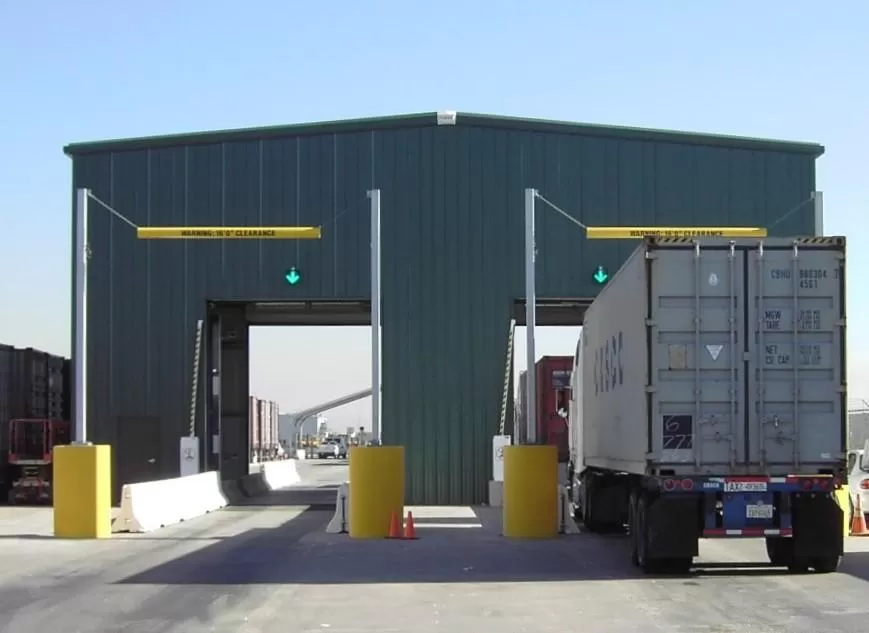
Buildings with height restrictions are factors that need to be checked before driving. If the vehicle exceeds the allowed space, the vehicle may not be able to pass or pose a danger to structures and traffic participants. For warehouses, factories and construction sites, you should measure the height of the entrance gate and the obstacles above before confirming the container delivery schedule.
5.2. Choose a suitable route
Not every route is suitable for every combination of container trucks. In addition to height, businesses also need to consider road and bridge loads, turning radius, road width and location access conditions. For delivery points located in residential areas or internal roads, a prior survey will help reduce the risk of incurring costs due to vehicles not being able to access the delivery location.
5.3. Choose from standard or High Cube containers
If the goods can fit in a standard container, using this type can help reduce the overall height compared to the option of using an HC container in the same shipping configuration. On the contrary, if the goods need more vertical space, HC containers may be the right choice. The decision should be based on the size of the goods, packaging options and actual shipping conditions.
5.4. Transportation and vehicle coordination costs
Special conditions regarding routes, delivery times, container location or accessibility can affect shipping options and costs. Businesses should provide full information about the type of container, delivery location and field restrictions when requesting a quote. Before finalizing a transportation plan, businesses should find out the factors that affect it container shipping costs.
6. Notes when placing containers at warehouses, factories or construction sites
If the purpose is to bring the container to a fixed location for warehouse or office use, in addition to vehicle height, the following conditions need to be checked:
-
Entrance gate: Measure the height and clear width.
-
Approach road: Check the width, turning radius and load-bearing capacity of the road surface.
-
Obstructions above: Pay attention to roofing, wires, pipes and building structures.
-
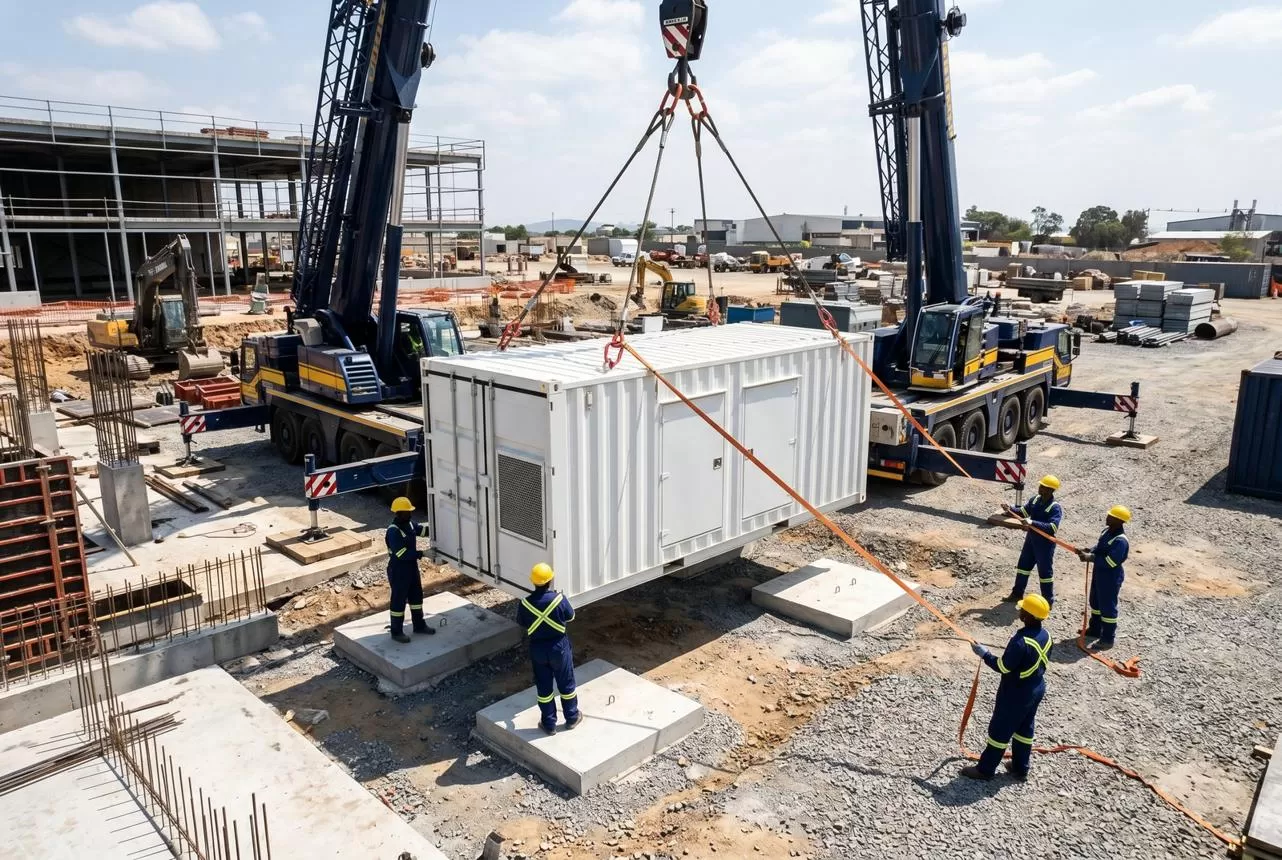
Container lowering location: Ensure enough space for vehicles and lifting equipment to operate.
-
Container platform: Prepare a stable ground suitable for the load.
-
Hoisting plan: Determine in advance the location, door direction and working space.
-
Container information: Confirm the type of 20 feet, 40 feet or 40HC to prepare the corresponding vehicle.
For construction sites or industrial zones with many space limitations, a pre-survey will help avoid the situation where the container has been transported to the destination but cannot be put into the correct location for use.
7. Should I choose a 20 foot, 40 foot or 40HC container?
The choice should not be based solely on height but should also be based on the size of the goods and the intended use.
|
Demand |
Type of container can be considered |
|---|---|
|
Store supplies in moderate quantities |
20 foot container |
|
Store goods of large length or volume |
40 feet container |
|
Goods need more storage space according to height |
Container 40HC |
|
Premises have strict height restrictions |
Check standard container and shipping configuration before choosing |
|
Place the container in a low gated area |
Survey the scene and confirm the actual vehicle height |
Before choosing, businesses should clearly determine the goods to be stored, space size, container location and transportation conditions. This helps choose the right type of container from the beginning and limits the cost of adjusting the plan.
8. Frequently asked questions about container truck height
What is the standard 40 foot container height?
The common outside height of a standard 40-foot container is about 2.59 m. This is the height of the container shell, not the overall height of the container trailer.
How much higher is a 40HC container than a regular container?
40HC containers have a common outside height of about 2.90 m, about 30 cm higher than standard containers. Specific dimensions need to be confirmed according to the actual container model.
Is the height of a container truck always the same?
No. Overall height depends on the type of container, semi-trailer, suspension, tires and vehicle configuration.
How high is a container truck allowed?
According to the regulations announced by the Government on the height of loading goods on container trucks, the stated limit is no more than 4.35 m from the highest point of the road surface. When planning the actual transportation plan, it is necessary to additionally check the technical conditions and limitations of the route.
Should you choose HC containers if the location has low gates?
Don't decide based solely on container size. It is necessary to determine the overall height of the actual vehicle combination and measure the space at the gate, entrance and container landing position before transporting.
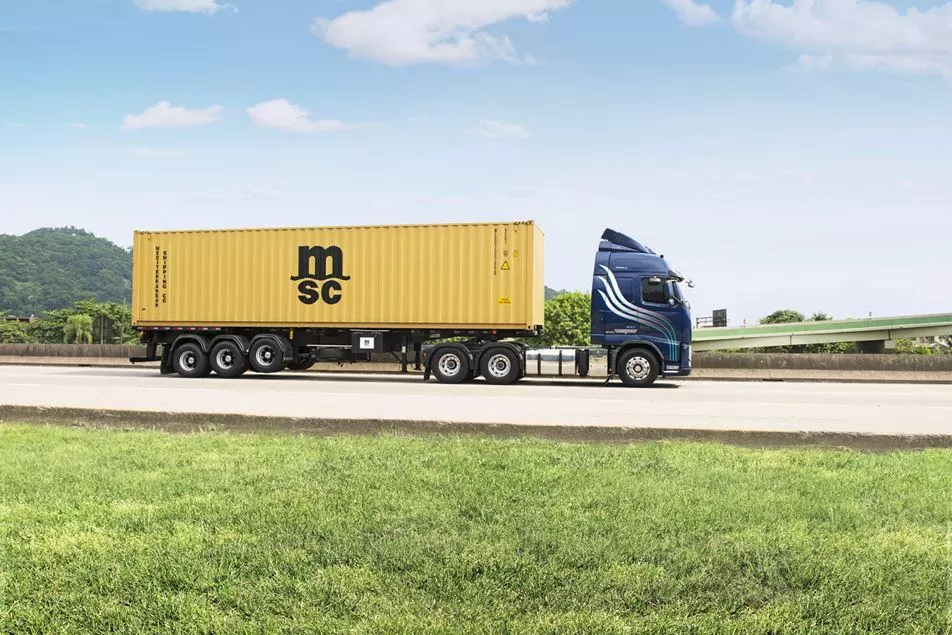
9. Choose the right container at Nam A Container
Nam A Container provides container lines to serve the needs of storage, transportation and use at factories, warehouses or construction sites according to the actual source of goods. When requesting advice, customers should Provide the desired container type, intended use, delivery location and gate or access restrictions. This information helps choose containers and prepare shipping plans closer to actual conditions. If you are wondering between 20 feet, 40 feet standard and 40HC containers, determine the size of the goods, the space needed and shipping conditions before deciding.
Comment