
1. What is a 40RF Container?
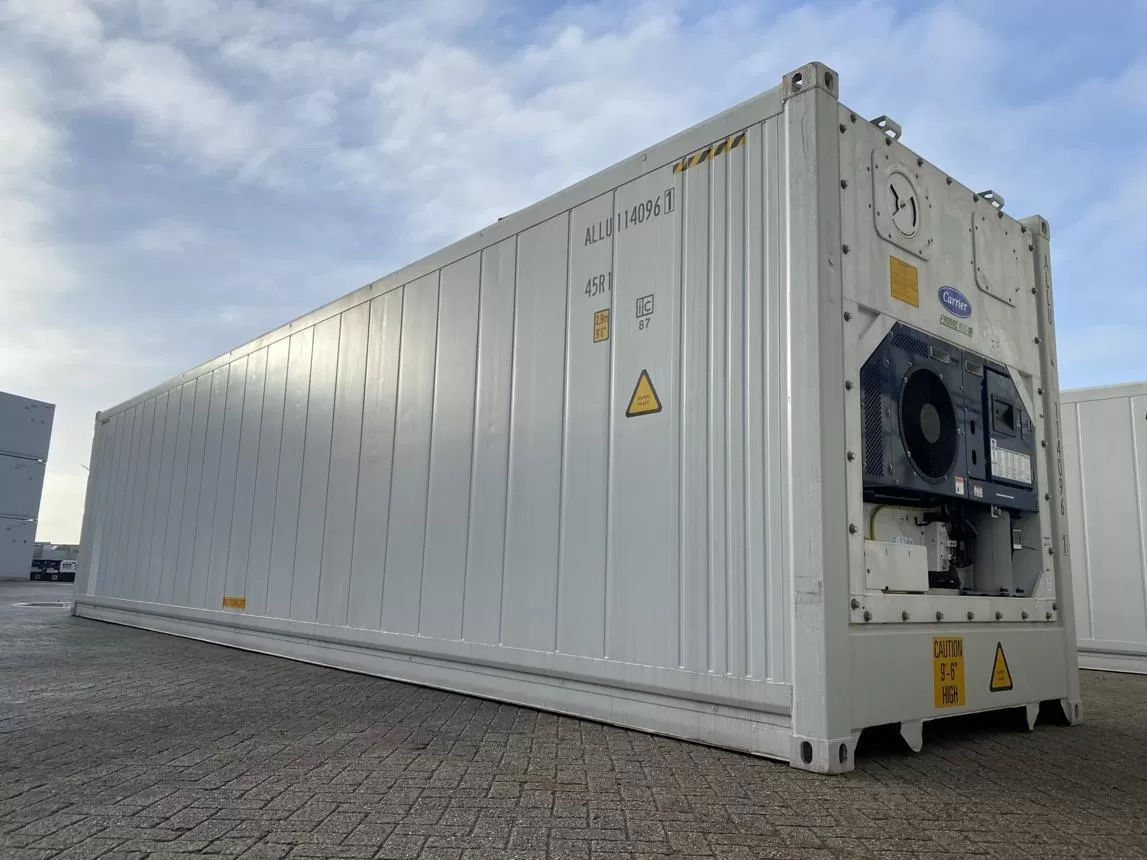
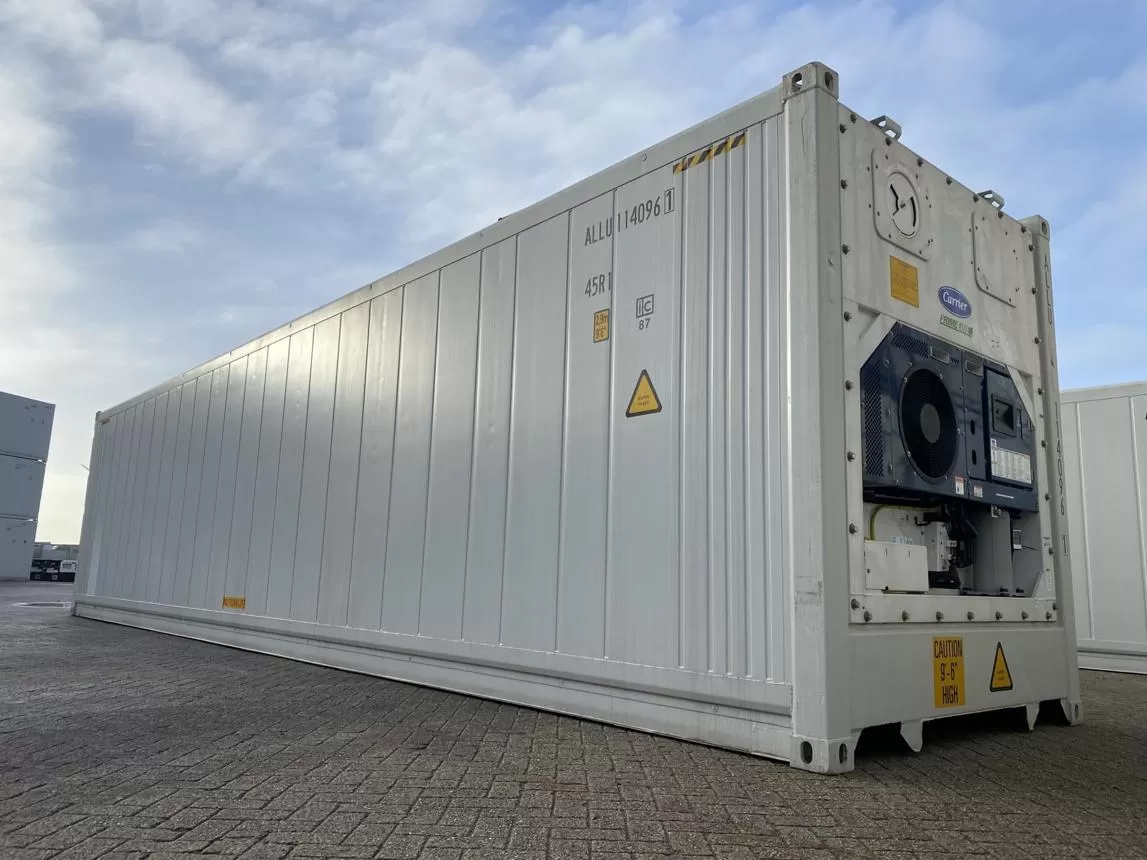
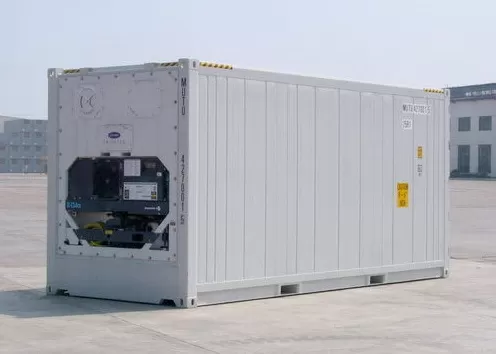
The 40RF container is a refrigerated container with a nominal length of 40 feet, equipped with a refrigeration system and insulation structure to maintain a storage environment according to the set temperature.
The symbol RF is often used to refer to refrigerated containers (Reefer). This type of container differs from conventional dry containers in terms of air conditioning system, insulation layer, floor structure that supports air circulation and temperature control components.
Container 40RF can be used in two common cases:
-
Transporting goods: Maintain suitable temperature conditions during transport when the container is powered and operating as required.
-
On-site storage: Make additional cold storage at factories, warehouses, processing facilities or goods gathering areas with appropriate power sources.
It should be noted that refrigerated containers do not automatically ensure that the goods always meet the desired quality. Preservation efficiency also depends on cargo characteristics, initial temperature, loading method, cold air flow, operating conditions and temperature monitoring. If your storage needs are smaller or space is limited, you can refer to additional lines 20RF reefer container.
2. Container size 40RF
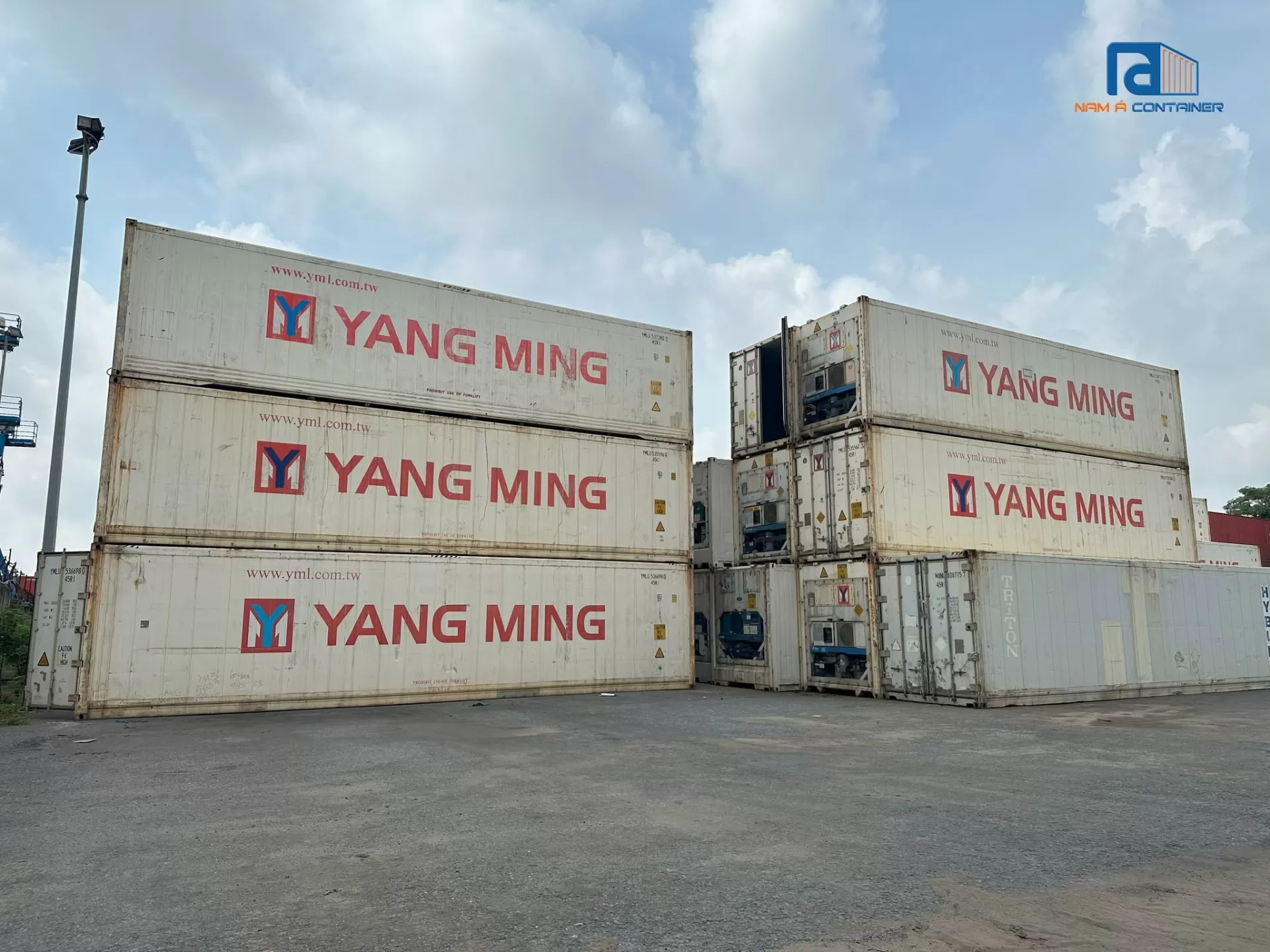
40RF container sizes may vary by manufacturer, model and equipment configuration. With the 40RF reefer container product introduced on the Nam A Container website, the size parameters are announced as follows:
|
Parameters |
Reference size |
|---|---|
|
Covering length |
12,190 m |
|
Coverage width |
2,444 m |
|
Covering height |
2,896 m |
|
Inner length |
11,558 m |
|
Inner width |
2,290 m |
|
Heart height |
2,520 m |
Note: This is the reference parameter published for the product on the website. When ordering or renting, it is necessary to confirm the actual dimensions of the specific container, especially if the goods have strict requirements on loading space.
2.1. What is the difference between cover size and inside size?
Cover size is the size measured outside the container. This is an important parameter when calculating container placement area, site layout and checking the accessibility of transport vehicles.
Meanwhile, the internal size is the space inside the container that can be used to arrange goods. With refrigerated containers, this space is affected by the insulation layer, floor structure, walls and refrigeration equipment cluster.
Therefore, businesses should not use packaging size to directly calculate the volume of goods that can be contained. If you need to load goods on pallets or large goods, you should also check the door width, door height and space for cold air flow. To compare the parameters of a 40-foot container, you can refer to the article on dimensions 40 feet container popular.
2.2. How much capacity does a 40RF container hold?
Actual capacity depends on the allowable load of the container, shell weight, cargo volume, packaging size and loading method.
It should not be assumed that a 40RF container can carry a fixed volume of goods in all cases. When used for transportation, it is necessary to compare the load parameters of the container itself, the limitations of the transport vehicle and the regulations applicable on the route.
For goods that need to be refrigerated, the layout of the goods is as important as the volume. Cargoes that are too tightly packed or block air circulation can cause uneven temperature distribution in the container.
3. Structure of 40RF reefer container
The 40RF container is designed to maintain storage conditions in a controlled temperature environment. Main parts include:
3.1. Shell and insulation
The container shell creates a protective structure on the outside, while the insulation layer helps limit heat exchange between the inside and outside environments.
The condition of the shell, walls, doors and joint locations can affect the effectiveness of temperature maintenance. When buying used containers, it is necessary to check for signs of distortion, damage, water seepage, corrosion or unsatisfactory repairs.
3.2. Air conditioning system
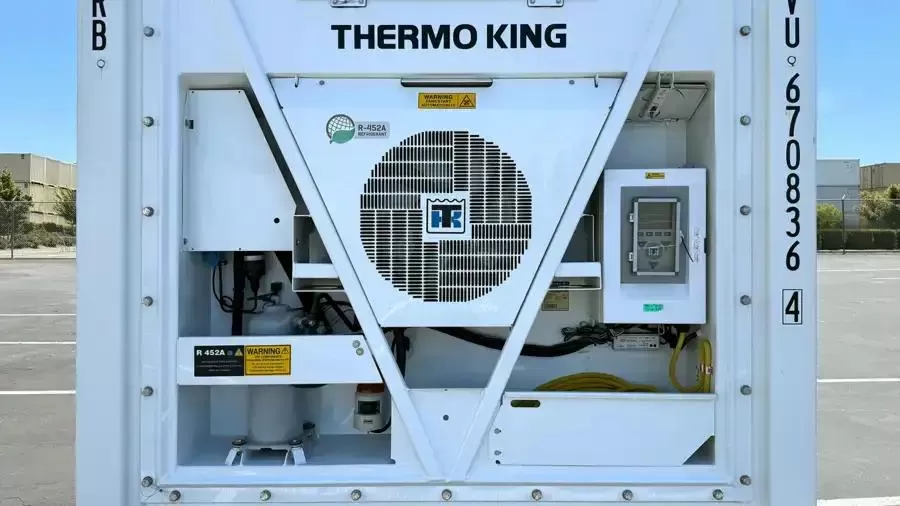
The air conditioning system is the part that creates and maintains temperature conditions inside the container. Depending on the model, the equipment may vary in capacity, refrigerant, controller and operating functions.
When checking the air conditioner, it is necessary to pay attention to the ability to start, fan operation, error warnings, ability to maintain temperature and maintenance records if any.
Don't just judge the quality of your device by whether the device turns on or not. A machine may start up but still have problems during continuous operation or when the ambient temperature changes.
3.3. Floor and cold air circulation system
Refrigerated container floors often have a structure that supports air circulation according to the manufacturer's design. Cold air flow needs to be distributed appropriately to limit the situation where some areas are too cold while other areas do not reach the desired temperature.
When in use, do not line up to cover the air circulation channels or obstruct the air return. The layout of goods should be consistent with product characteristics and storage requirements.
3.4. Controller and electrical system
The controller allows setting and monitoring of operating parameters. Refrigerated containers need a power source that matches the equipment's requirements.
Some refrigerated container models use three-phase 380V/50Hz power, but it should not be assumed that all 40RF containers have the same parameters. It is necessary to confirm the voltage, number of phases, frequency and power supply requirements of the correct model before installation.
4. In what cases is the 40RF container used?
The 40RF container is suitable for many operations that need to maintain controlled temperature conditions.
4.1. Preserving seafood and frozen foods
Businesses that purchase, process or distribute seafood can use refrigerated containers to store goods for a certain period of time. Temperature conditions must be appropriate to the product type and storage process.
For frozen goods, it is necessary to check the required temperature of the product and do not assume that the reefer container can quickly freeze newly introduced goods at high temperatures.
4.2. Storage of agricultural products and food
Some types of agricultural products and fresh foods need to be stored at appropriate temperatures and ventilation conditions. Refrigerated containers can help add capacity to manufacturing or distribution facilities when demand increases.
However, the appropriate temperature for each type of agricultural product may be different. Businesses should clearly define storage requirements before selecting and installing equipment.
4.3. Additional cold storage for factories and warehouses
When existing cold storage does not meet the capacity, 40RF containers can be considered as an additional solution. This option can be useful during peak seasons or periods when businesses need to increase inventory.
Before putting the container into operation, it is necessary to prepare the premises, power source, access, ventilation conditions around the air conditioning unit and temperature monitoring plan.
4.4. Transporting goods requires temperature control
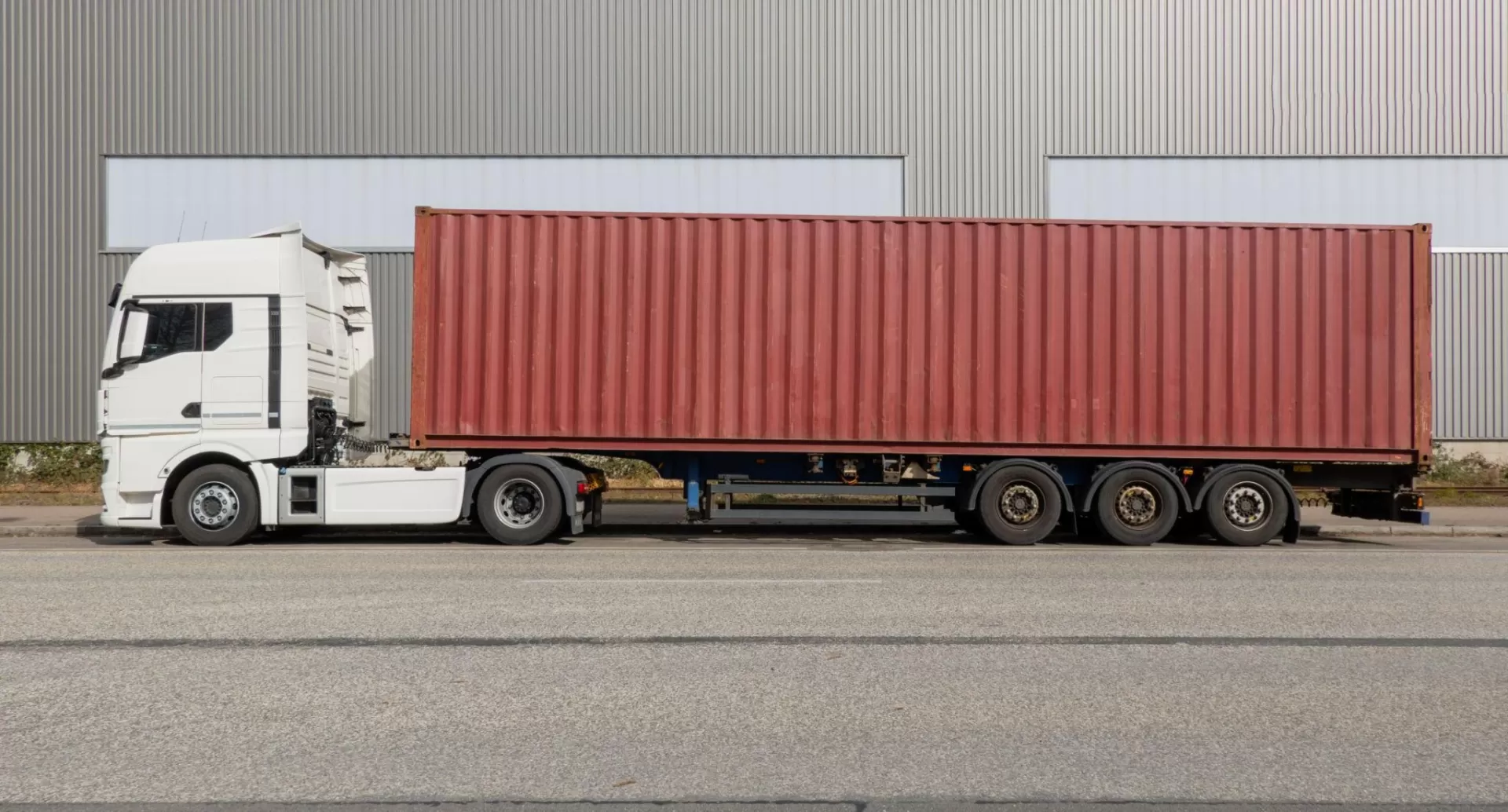
The 40RF container is designed to transport goods that require temperature control. When used on a transport journey, businesses need to confirm the power supply requirements, operating procedures and receiving conditions of the transport unit.
If goods are sensitive to temperature fluctuations, there should be a plan to monitor temperature and troubleshoot power problems during storage or transportation.
5. Compare 40RF reefer containers and 20RF reefer containers
|
Criteria |
Refrigerated container 20RF |
Refrigerated container 40RF |
|---|---|---|
|
Size |
More compact |
Longer |
|
Storage space |
Suitable for moderate quantity of goods |
Suitable for larger storage needs |
|
Premises |
Easier to place in limited areas |
Needs larger placement and operation space |
|
Shipping |
Need a vehicle suitable for a 20-foot container |
Need vehicle suitable for 40 feet container |
|
Choose according to need |
Small cold storage, few goods, limited space |
Lots of goods, need to be concentrated in one area |
|
Cost |
Depends on actual condition and equipment |
Depends on condition, equipment and transportation plan |
Don't choose based on size alone. If the quantity of goods is small but needs to be divided into multiple lots or space is limited, a 20RF container may be more convenient. If the goods are large in volume and can be arranged reasonably in a long space, the 40RF may be more suitable.
6. Factors to check before buying a used 40RF container
When buying a used refrigerated container, it is necessary to evaluate the shell and refrigeration system simultaneously. A container with good appearance but unstable refrigeration equipment can still incur significant repair costs.
Items that need to be checked include:
-
Container shell: Check for distortion, corrosion, cracks, signs of water penetration and quality of repair.
-
Door and gasket: Check the sealing ability, elasticity of the gasket and hinge condition.
-
Insulation: Observe areas showing signs of damage or unusual repairs.
-
Air conditioner: Start up, check fans, controllers, warnings and operability.
-
Temperature Retention: Perform proper operational testing, not just the on/off status of the device.
-
Electrical system: Confirm power supply requirements and check related components.
-
Container floor: Check the condition of the floor and air circulation channels.
-
Maintenance history: Request records of repairs, replacement of components and errors that have occurred, if any.
-
Size and load: Compare actual container parameters with usage needs.
-
Transportation and installation costs: Including delivery, crane, site preparation and electrical connection costs.
If the purpose of use is to pack export goods, it is necessary to check the safety requirements and acceptance of the shipping line or shipping unit. Old containers used for on-site storage are not automatically eligible for return to international transport. 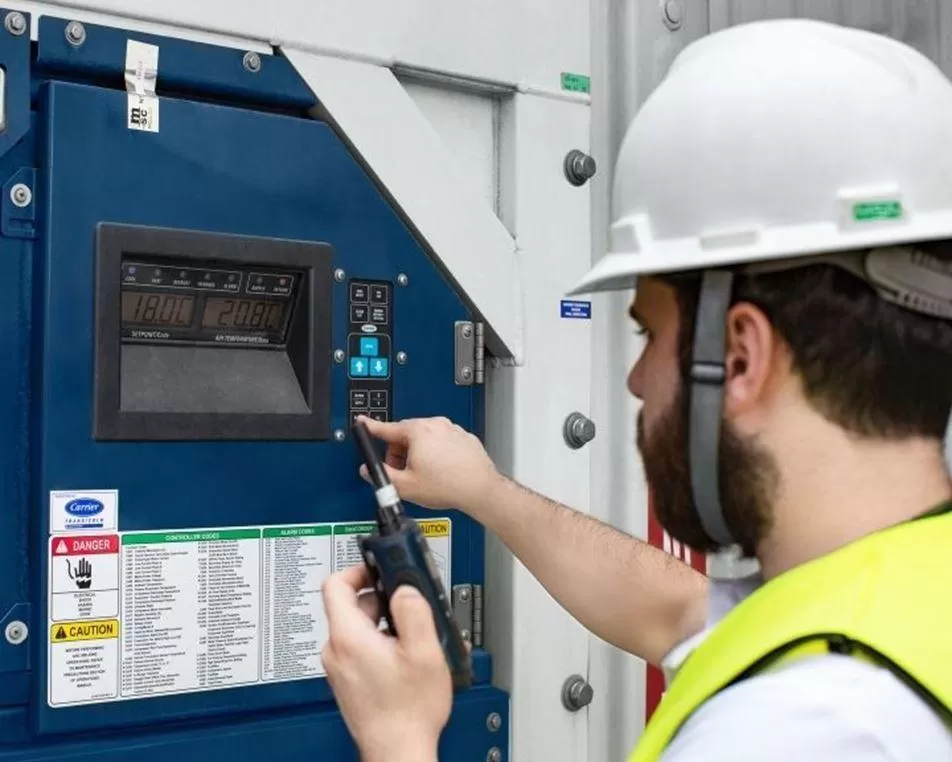
>>> Learn more: Checklist to check refrigerated containers before renting
7. Rent or buy 40RF containers?
The decision to rent or buy depends on the length of use, the stability of demand and the ability to manage the equipment.
When should you rent?
Renting a 40RF container may be suitable when:
-
Storage needs only arise seasonally.
-
Businesses need to add capacity during a certain period.
-
Not sure about yield or usage time.
-
Want to limit initial investment.
Before renting, you need to confirm the rental period, air conditioner condition, maintenance responsibilities, delivery conditions and how to handle equipment problems.
When should I buy?
Purchasing a 40RF container may be suitable when:
-
Storage needs are frequent and long-term.
-
The enterprise has suitable premises and power source.
-
Ability to manage, monitor and maintain equipment.
-
The total expected cost of ownership is more reasonable than the rental option during the period of use.
For comparison, it is advisable to calculate the total costs for the same period, including purchase price or lease, transportation, electricity, maintenance, repairs and recovery or liquidation costs if any. Businesses can learn more about Container rental service to consider usage time and cost options.
8. Frequently asked questions about 40RF containers
Is a 40RF container a 40-foot reefer container?
Yes. 40RF is a common name for a 40-foot refrigerated container. However, specific specifications may vary by model and manufacturer.
At what temperature can 40RF containers be stored?
The temperature range depends on the refrigeration system and container configuration. It is necessary to confirm the actual equipment parameters, and ensure that the set temperature matches the requirements of the goods.
Does the 40RF container need its own power source?
Refrigerated containers need a suitable power source to operate the refrigeration system. Before being put into use, it is necessary to confirm the voltage, number of phases, frequency and electrical safety requirements of the correct equipment.
Are old 40RF containers suitable for cold storage?
Can be considered if the shell, insulation, air conditioning and control system meet usage requirements. It is necessary to check actual operation before deciding, especially when preserving goods with strict temperature requirements.
Can 40RF containers replace construction cold storage?
In some cases, 40RF containers can be used as independent cold storage or additional capacity. With large storage needs, needing many different temperature areas or having to be integrated into the production line, businesses should compare additional construction cold storage options.
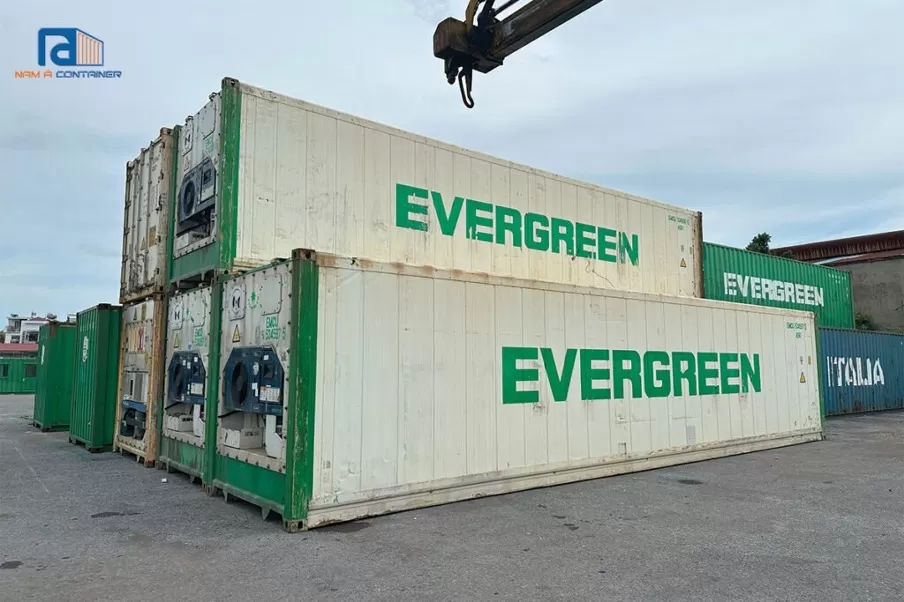
9. Looking to buy or rent 40RF reefer containers at Nam A Container
Nam A Container has introduced the 40RF reefer container line Serving the needs of preserving goods and making cold storage. Product information and stock status need to be confirmed directly at the time the customer needs it.
Before requesting a quote, businesses should prepare the following information:
-
Intended use: transportation or on-site storage.
-
Type of goods to be preserved.
-
Required temperature.
-
Estimated time of use.
-
Delivery location and ground conditions.
-
Need to buy new, buy used or rent.
-
Requirements for equipment condition and technical records.
Clearly identifying needs helps choose a more suitable option and limit costs incurred during operation.
Comment