
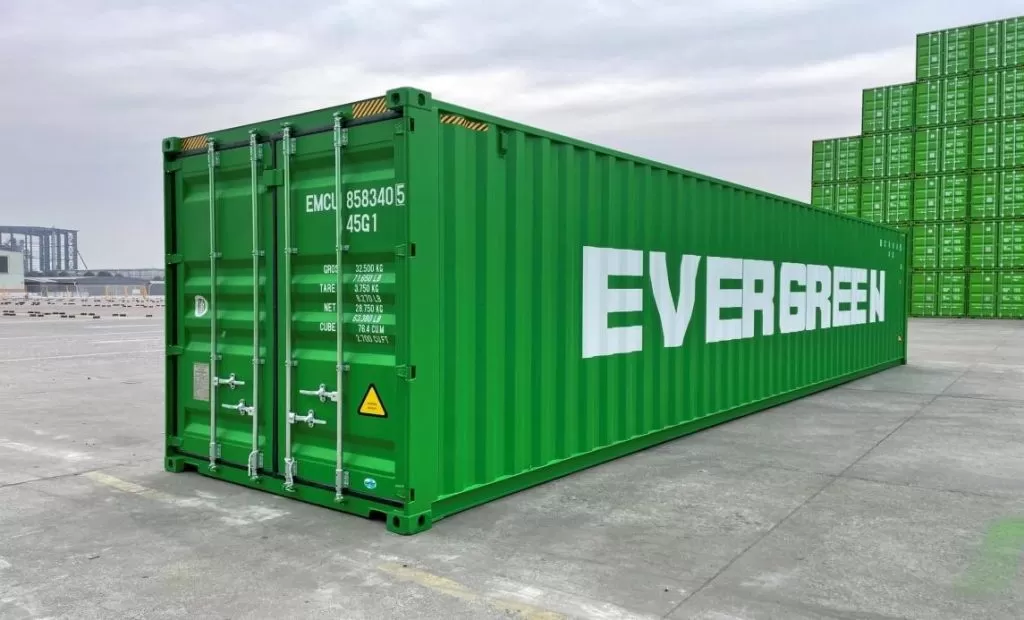
1. What is HC Container?
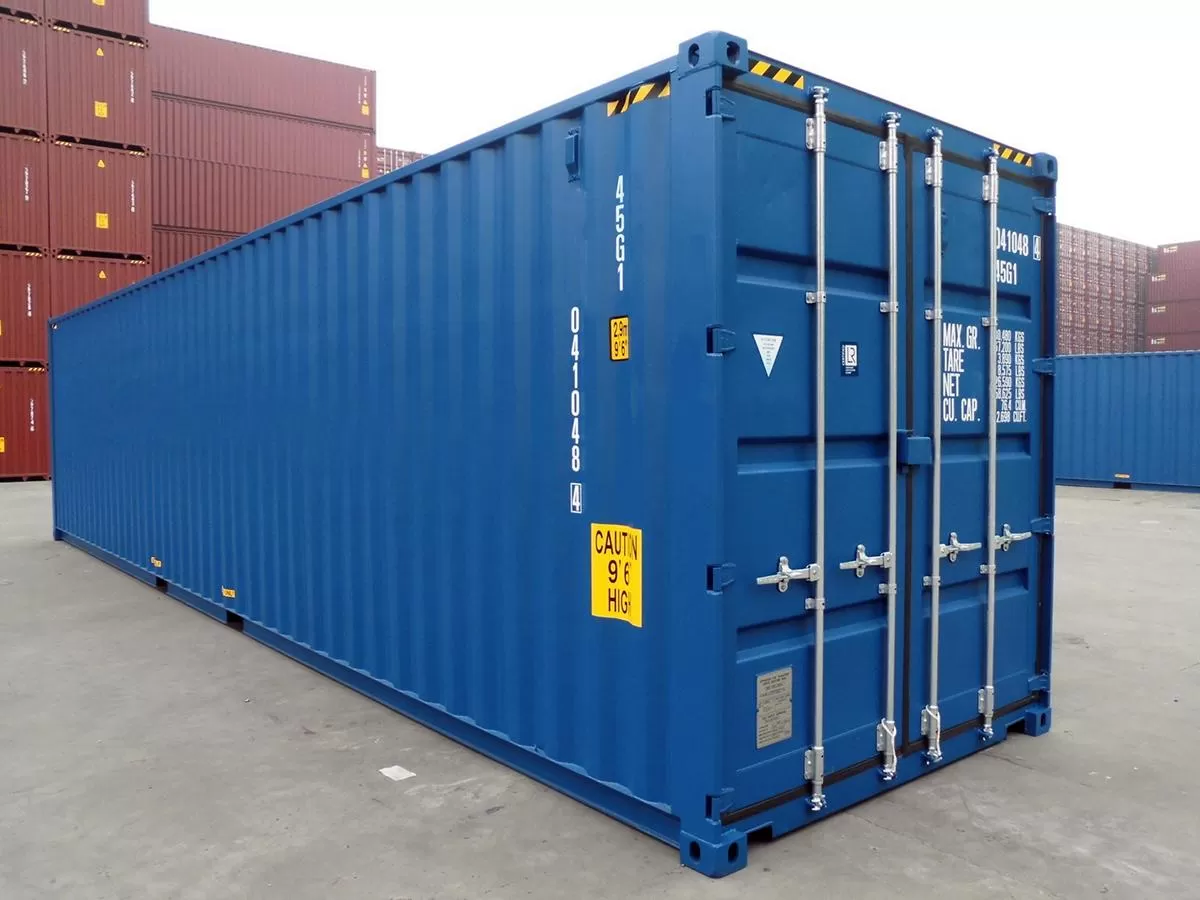
HC containers, short for High Cube, are a line of containers with a larger outside height than standard containers of the same length. The outstanding difference of this type of container is the increased height, which helps expand the usable space inside. In fact, the High Cube container is most commonly known in the 40-foot HC version. In addition, some other sizes can also be produced according to the High Cube design depending on the product line and manufacturer.
HC containers are used in transporting goods, storing supplies, equipment and many other needs that require higher storage space. When choosing used HC containers, customers need to consider both the actual size and structural condition of the product. For businesses that need to make the most of storage space, High Cube containers are an option worth considering alongside other lines. standard containers.
2. Popular HC container size
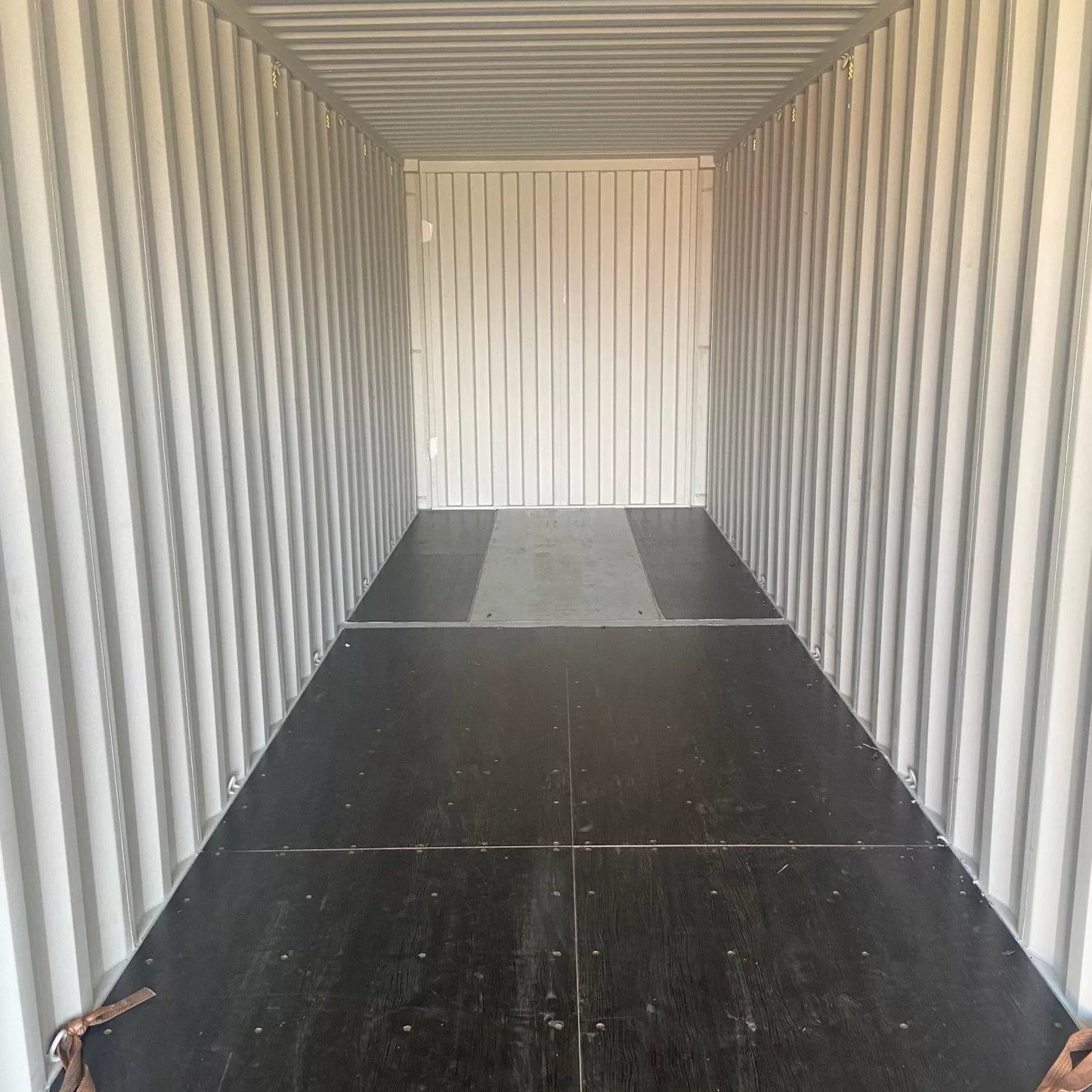
When looking at High Cube containers, buyers need to distinguish the external size, internal size and container door size. These parameters have a direct impact on loading capacity, equipment arrangement and transportation.
2.1. Container size 40 feet HC
The 40-foot HC container is one of the popular High Cube lines on the market. Reference parameters of standard 40-foot HC containers are usually as follows:
-
External length: about 12.19 m.
-
External width: about 2.44 m.
-
External height: about 2.90 m.
-
Internal length and width: lower than external dimensions due to wall, frame and door structure.
-
Door height and internal size: depends on the specific design of the container.
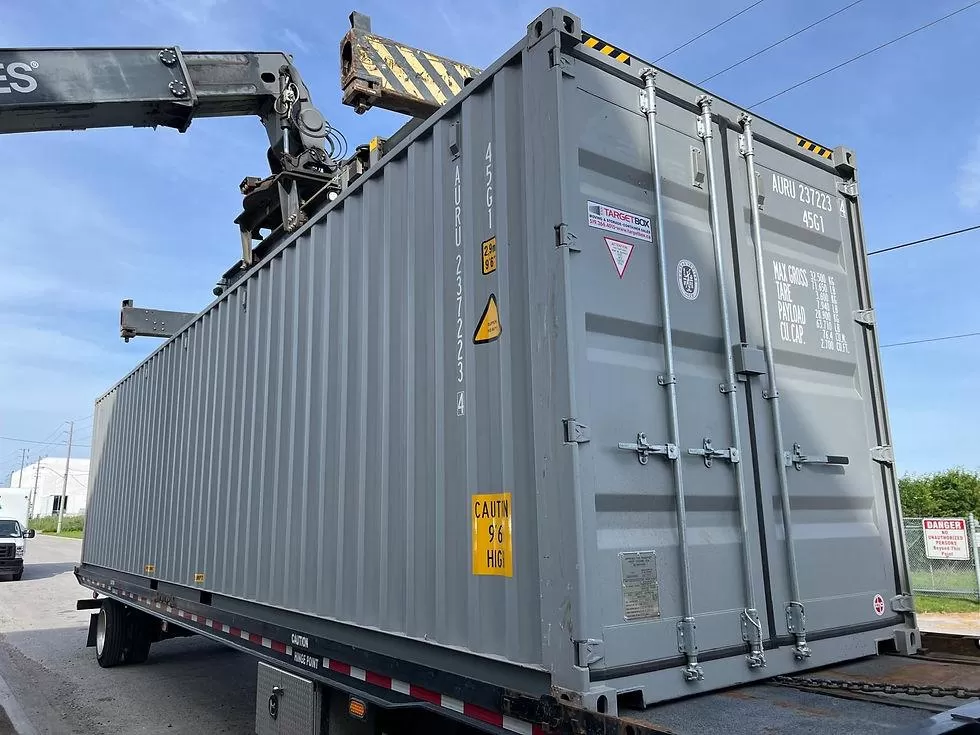
The outside height of a 40-foot HC container is typically approximately 9 feet 6 inches, or 2.90 m. Meanwhile, a standard standard container usually has an outside height of about 8 feet 6 inches, equivalent to 2.59 m.
The above figures are reference parameters for standard dry containers. Actual dimensions may vary by manufacturer, container model and specific design. When it is necessary to order goods with limited sizes, customers should check the parameters of the correct product before using.
2.2. Why is it necessary to check the container door size?
Larger interior space does not mean that all types of goods can be easily put into the container. For bulky goods, machinery or equipment with large heights, door size is a particularly important parameter. Users should measure the height, width and protruding points of the goods to compare with the actual door size.
In addition, it is necessary to consider lifting plans, loading and unloading equipment and working space in front of the container door to avoid difficulties during the process of bringing goods inside.
3. Compare HC containers and regular containers
HC containers and standard containers have many similarities in length, width and basic structure when comparing two products of the same nominal size. The main difference lies in height.
3.1. Difference in height
Standard containers have a common outside height of about 2.59 m. Meanwhile, the High Cube container has an outside height of about 2.90 m. An extra 30cm of height can make a significant difference when storing stackable or large items vertically. However, the actual usable height inside will be lower than the height outside. Therefore, one should not rely solely on nominal height parameters to decide the capacity to hold a specific type of goods.
3.2. Differences in cargo space
Due to its greater height, HC containers typically provide greater internal capacity than standard containers of the same length. This can be useful when storing light goods that take up a lot of volume, goods in tall packages, or supplies that need to be arranged in multiple levels. On the contrary, if the goods are low in size, heavy and do not need additional space above, a standard container can still meet the needs.
3.3. Differences in arrangement and transportation conditions
Greater height also makes HC containers need to be considered more carefully in terms of access and layout. Before placing the container, the buyer should check the clear height of the entrance gate, canopy, internal roads, areas with overhead lines and height limits at the shipping location if any. When using lifting equipment, it is necessary to confirm the compatibility of the equipment with the type of container and the actual operation plan on the ground.
3.4. Quick comparison table
| Criteria | Standard containers | Container High Cube |
|---|---|---|
| Popular outside height | About 2.59 m | About 2.90 m |
| Vertical space | Lower | Higher |
| Internal capacity | Lower when same length | Bigger when the same length |
| High cargo capacity | Depends on item size | Have more advantage |
| Arrangement conditions | Need to check the ground | Additional attention should be paid to the height limit |
| Intended use | Normal storage and transportation | Bulky goods, goods that need more volume |
The above table is general. Exact parameters need to be compared to each product and specific intended use.
4. Advantages of High Cube containers
4.1. Increase cargo space according to height
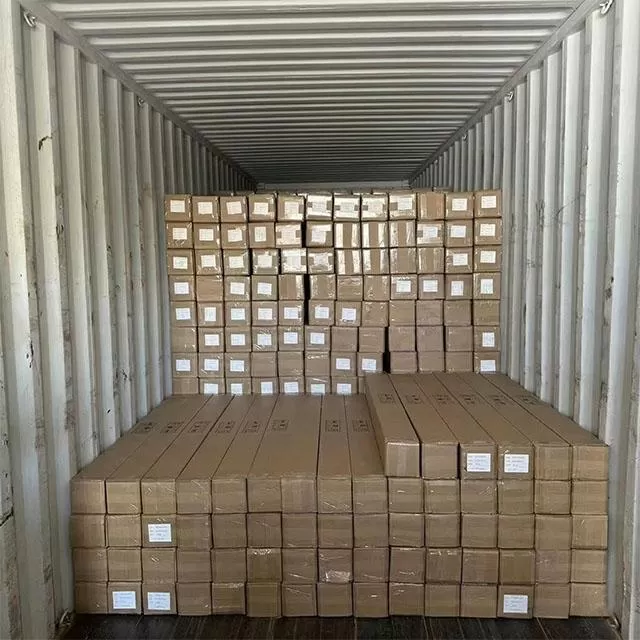
The outstanding advantage of HC containers is that they provide more space above. For stackable goods, packaged goods or large-volume supplies, the extra height makes space arrangement more convenient. This is also an advantage for units that want to take advantage of the volume inside the container without increasing the length or width.
4.2. Suitable for bulky goods
Some types of goods take up a lot of volume but do not have too much volume. In these cases, choosing a container with a higher height can help optimize the arrangement of goods. However, usability also depends on door size, packaging, loading and unloading options and allowable load limits.
4.3. Supports storage space organization
When used as a warehouse, HC containers can create additional space above to arrange goods in tiers if the shelf structure, load capacity and safety conditions allow. The arrangement needs to be calculated in accordance with the characteristics of the goods, the load-bearing capacity of the floor and the picking plan. Do not arbitrarily install heavy shelving systems or load goods beyond product limits.
4.4. You can choose used HC containers
For customers who want to optimize investment costs, old HC containers This is an option that can be considered if you find a suitable product. However, buyers need to evaluate the condition of the roof, walls, floors, frames, doors and signs of deformation before deciding. Containers with greater height but degraded structure or not meeting the intended use will not be an effective choice.
5. When should you choose HC containers?
Not every need requires the use of High Cube containers. The choice should be based on the type of goods, volume needed, ground conditions and planned use.
5.1. When goods need extra height
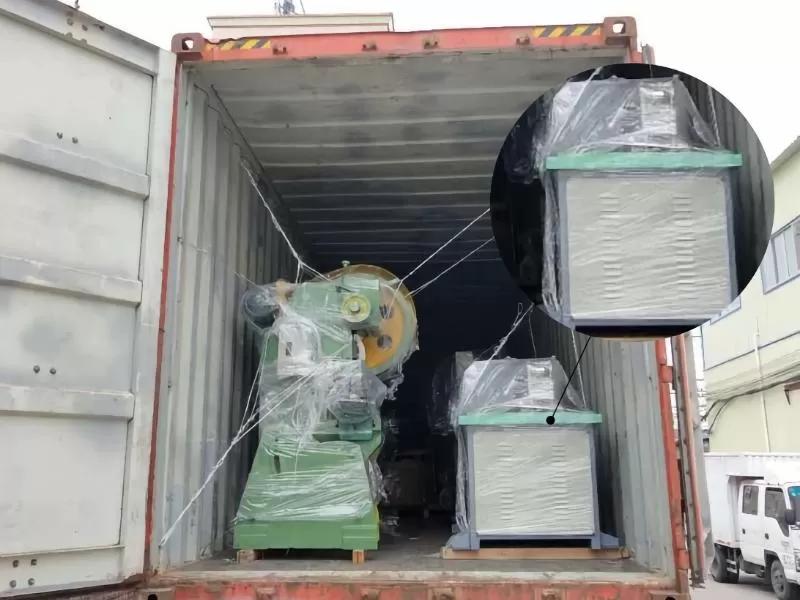
If the goods are tall or need to be stacked in tiers, HC containers can offer an advantage over standard containers. Before choosing, you should measure the actual size of the goods and take into account the space needed for loading and unloading operations.
5.2. When storing large volume goods
For supplies, packaged goods or products that take up a lot of volume, the extra height can help optimize storage space. However, it is necessary to consider both the volume of goods and the way the load is distributed. Larger capacity does not mean it can carry heavier goods than the allowed limit.
5.3. When needing to be renovated into usable space
In some renovation options, greater height can create a more open feel and provide more space for spatial arrangements. If there is a plan to renovate a container, customers should determine in advance the function, design, door location, ventilation requirements and technical items. Cutting, gouging or structural changes should be carefully considered to avoid affecting the durability of the container.
6. Things to check when buying used HC containers
When choosing a used High Cube container, in addition to size, customers should check the following factors:
6.1. Container roof condition
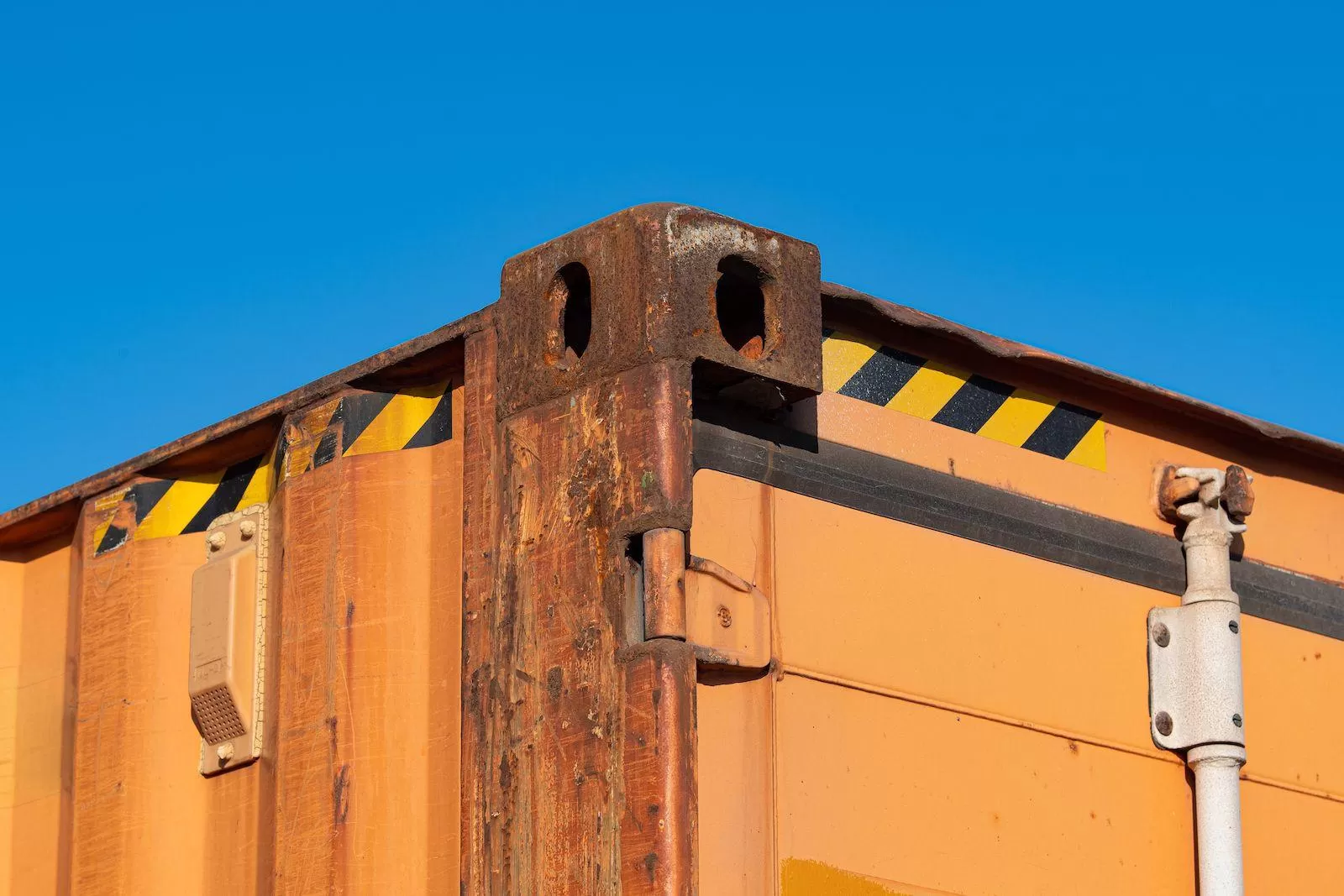
The container roof should be inspected to detect holes, corrosion, deformation or signs of previous repairs. This is an important area because roof damage can cause water seepage, affecting goods and items stored inside.
6.2. Container frames and corners
Check corners, load-bearing frames and connection locations for signs of significant warping or damage. If the container shows signs of structural deformation, it should be carefully evaluated before use, especially in cases where it is expected to be stacked or transported frequently.
6.3. Container floor
The floor should be inspected for sturdiness, signs of rot, cracks, damage or locations that may affect the goods. If it is expected to contain heavy equipment, it is recommended to confirm the load conditions and load distribution plan appropriate to the product.
6.4. Door and door gasket
It is necessary to check the ability to open and close, the condition of hinges, lock bars and door gaskets. Doors that are not closed tightly can increase the risk of water and dust getting inside. For containers used as warehouses, convenient opening and closing also makes the process of importing and exporting goods easier.
6.5. Actual dimensions and shipping conditions
Before ordering, customers should confirm the outer size, inner size, door size and overall height when shipping. At the same time, it is necessary to check the entrance, height limit on the path, location and lifting plan appropriate to the site.
7. Should I buy used HC containers?
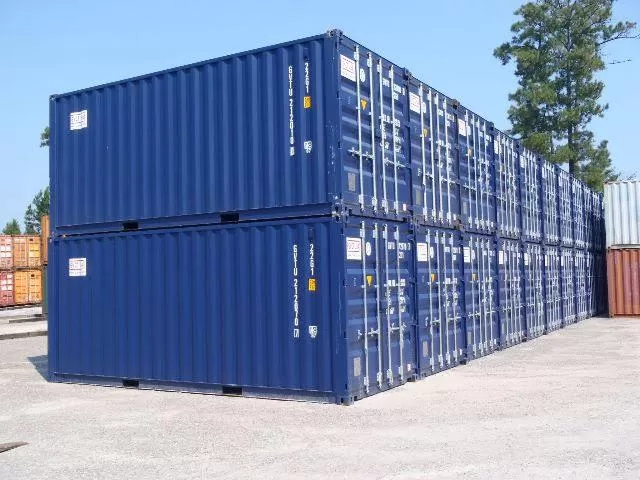
Used HC containers can be the right choice when customers need more space in terms of height and find a product in a condition that meets usage requirements. The purchasing decision should be based on three main factors: actual need, container condition, and total cost required to put the container into use. If the goods do not require additional height, a standard container may be adequate.
On the contrary, if the space above is an important factor, choosing High Cube can bring better efficiency. Buyers should clearly determine the intended use from the beginning, check the actual parameters and discuss with the supplier about the current product status before deciding.
8. Where to buy used HC containers?
When looking to buy used HC containers, customers should choose a unit that can give clear advice on product condition, size and delivery plan. South Asia Containers operates in the field of buying, selling and leasing used containers, serving customers in Hai Phong, Quang Ninh and the Northern provinces.
For the need to use High Cube containers, customers can Contact Nam A Container to discuss intended use, size requirements and desired product condition. Confirmation of actual specifications and availability should be made before ordering.
9. Conclusion
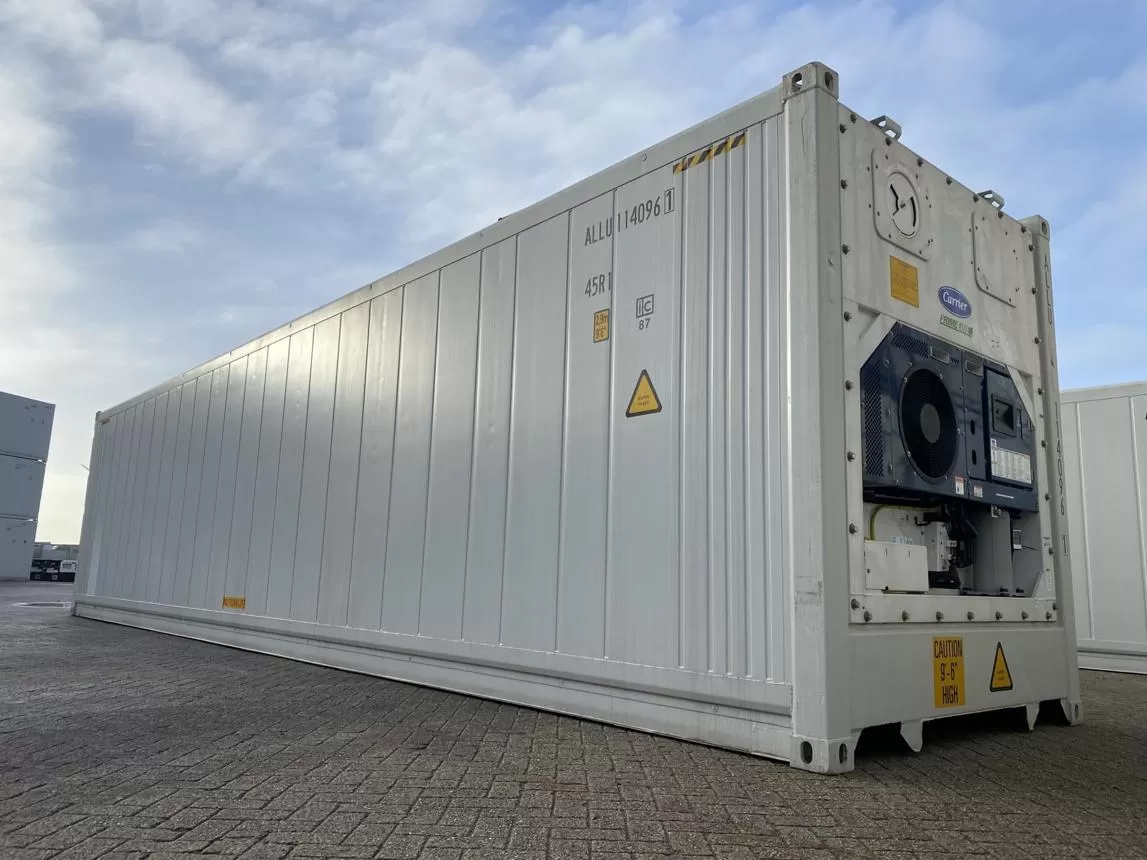
HC containers are a line of containers that are taller than standard containers, providing the advantage of vertical storage space. The product is suitable for needs that require additional volume, bulky goods or storage options with height requirements.
However, choosing an HC container or a standard container still needs to be based on the size of the goods, ground conditions, transportation plan and product condition. If you are looking for an old container for storage or production or business activities, customers should determine their needs before choosing to optimize usage efficiency and investment budget.
Comment